Choosing a plasma system is not just an amperage decision. It affects edge quality, cutting speed, consumable use, and the rhythm of an entire fabrication cell. The 2026 comparison of Hypertherm XPR Plasma System models—XPR170, XPR300, and XPR460—starts with those practical trade-offs. Bigger is not automatically better.
Industry context helps frame the decision. Grand View Research’s Plasma Cutting Machine Market analysis identifies automation and manufacturing demand as important market drivers. Hypertherm’s official XPR product literature and technical documentation provide the more useful model-level details, including rated output and process capabilities. Read together, these sources point to a clear lesson: compare each system against the materials, thicknesses, and duty cycles your shop actually handles. A quoted maximum capacity alone can be misleading.
This guide examines where the three models differ, from lower-amperage work to higher-output cutting and mechanized production. It also considers integration, consumable life, and the quality requirements of the finished edge. Those details matter at the torch. They matter at the quote, too. Exact results depend on the power source, torch, gas settings, table, and operating conditions. A brochure cannot settle every shop-floor question. That is worth remembering. Use the comparison to narrow the options, then verify performance with representative cuts and current manufacturer specifications before choosing a system.
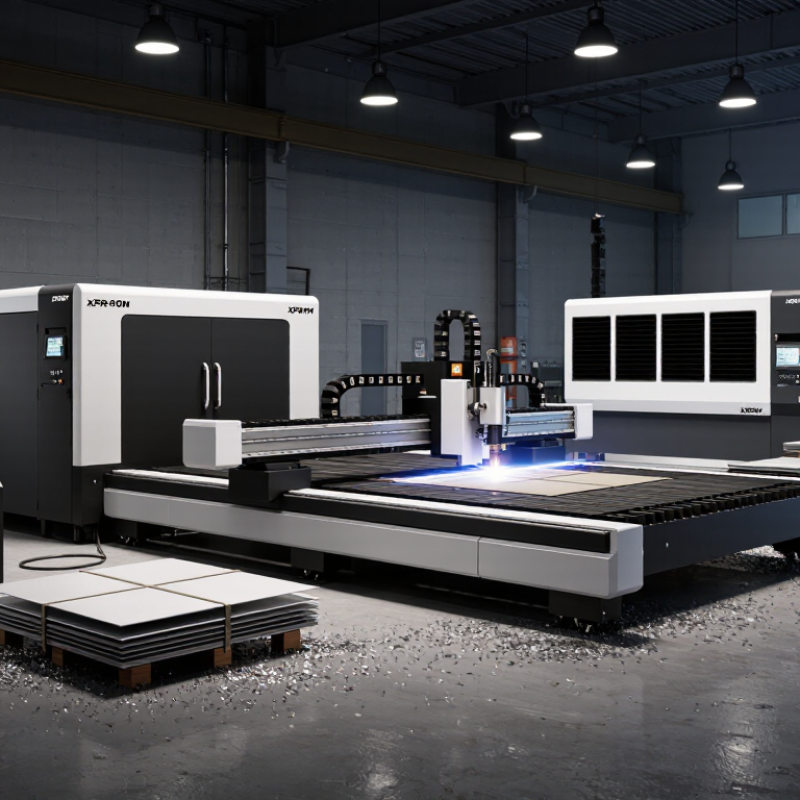
An industrial plasma system family is best understood as a platform, not a single machine. Models can differ in power capacity, torch options, gas control, and integration with cutting tables. Those choices affect more than maximum thickness. They also influence pierce quality, edge consistency, and how easily operators repeat a job. A steady, clean cut matters. So does the setup behind it.
For a useful comparison, start with the materials and thicknesses that appear most often on your shop floor. Then check duty cycle, available consumables, CNC compatibility, and the support needed to keep the system calibrated. A torch that suits detailed parts may not be the best fit for long production runs. Not always. Ask how each configuration handles thin sheet, frequent starts, and bevel work, rather than relying on a headline rating alone. Exact performance depends on settings, material condition, and installation. I would still leave room for a practical test cut; published specifications cannot show every shop’s quirks.
| 2026 Plasma System Models Compared — Overview of the High-Definition Plasma System Family | ||||
|---|---|---|---|---|
| System Class | Rated Output Current | Typical Workload Fit | Production Strength | Selection Consideration |
| 170 A class | 170 A | General fabrication and mixed-part production where a lower current capacity meets the job requirements. | Offers a smaller-capacity option for shops balancing cutting capability with day-to-day operating needs. | Compare the required material, thickness, cut quality, and duty cycle with the system’s published process specifications. |
| 300 A class | 300 A | Higher-volume production and applications that benefit from a higher rated current. | Provides greater current capacity than the 170 A class for demanding production requirements. | Check power, gas, torch, and table compatibility, and confirm the manufacturer’s rated cut and pierce limits for the chosen process. |
| Comparison note: Rated current alone does not determine achievable cut thickness or quality. Results depend on material type, process settings, consumables, torch setup, and cutting-table configuration. | ||||
Compare output range, duty cycle, torch options, and the thicknesses you cut most often. More power is not always useful.
No. A lower-output setup may cut thin stainless steel or aluminum with less heat distortion. Setup still matters.
Material, gas, consumables, torch height, and motion settings all affect the edge. Small holes can look rough at high speeds.
No. Maximum capacity is not the same as recommended cutting thickness. Check cut charts and test your usual material.
A mid-range system may cover thin sheet and thicker plate. Confirm its process chart matches your materials and finish requirements.
Review output, pierce limits, bevel capability, and consumable life. A faster cut can matter on a busy production table.
Test the same material and thickness using carefully checked settings. One rushed cut can mislead you.
Log material, thickness, speed, and edge finish across several shifts. Early results may be uneven. Keep recording.
This overview compares the Hypertherm XPR Plasma System family, focusing on the XPR170, XPR300, and XPR460. It explains how the models differ in system capacity, cutting performance, and suitability for a range of production needs, from lighter-duty work to demanding, high-volume operations. Rather than treating one model as universally best, the comparison highlights how output requirements and intended use shape the choice.
The article also considers the materials and applications each model may support, along with practical selection factors such as material thickness, desired cut quality, operating workload, and available equipment capacity. Reviewing these points together can help readers identify a system that fits their fabrication goals and production environment. Properly matching model capabilities to everyday requirements can support consistent results and avoid selecting more or less capacity than a project needs.