Industrial Engineering Insights Optimizing Steel Service Center Cutting Operations for Maximum Margin & Yield
Modern steel service centers operate in a high-velocity, tight-margin environment where raw plate utilization, cycle time reduction, and bevel edge precision directly dictate enterprise profitability.
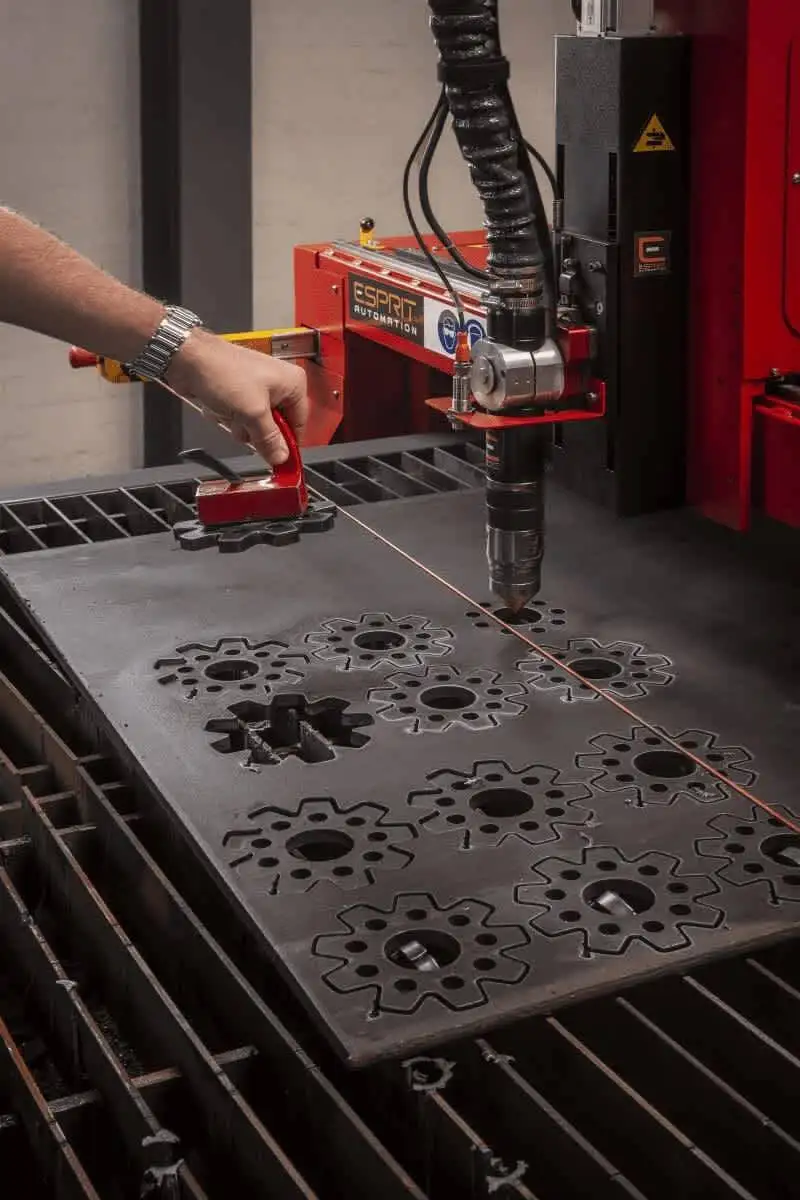
Global steel service centers face a structural shift in buyer expectations. Downstream structural fabricators, heavy equipment OEMs, and offshore energy yards no longer accept rough torch-cut blanks requiring extensive manual secondary grinding. Instead, procurement directors demand high-definition cut edges (ISO 9013 Range 3 or 4), pre-welded bevel preparations, and bolt-ready bolt-hole dimensions straight from the cutting bed.
To capture this demand while insulating profit margins against fluctuating steel prices, steel processing centers must evaluate cutting machinery through the lens of Total Cost per Cut Meter (TCO/m) rather than initial equipment purchase price alone. A high-duty steel service center cutting machine must balance dynamic acceleration with structural stiffness, integrate seamlessly with nest automation software, and withstand multi-shift operational abuse without losing axis alignment.
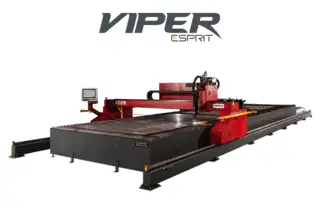
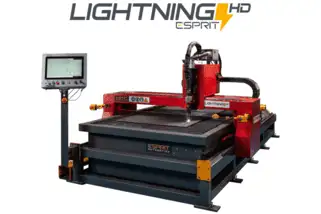
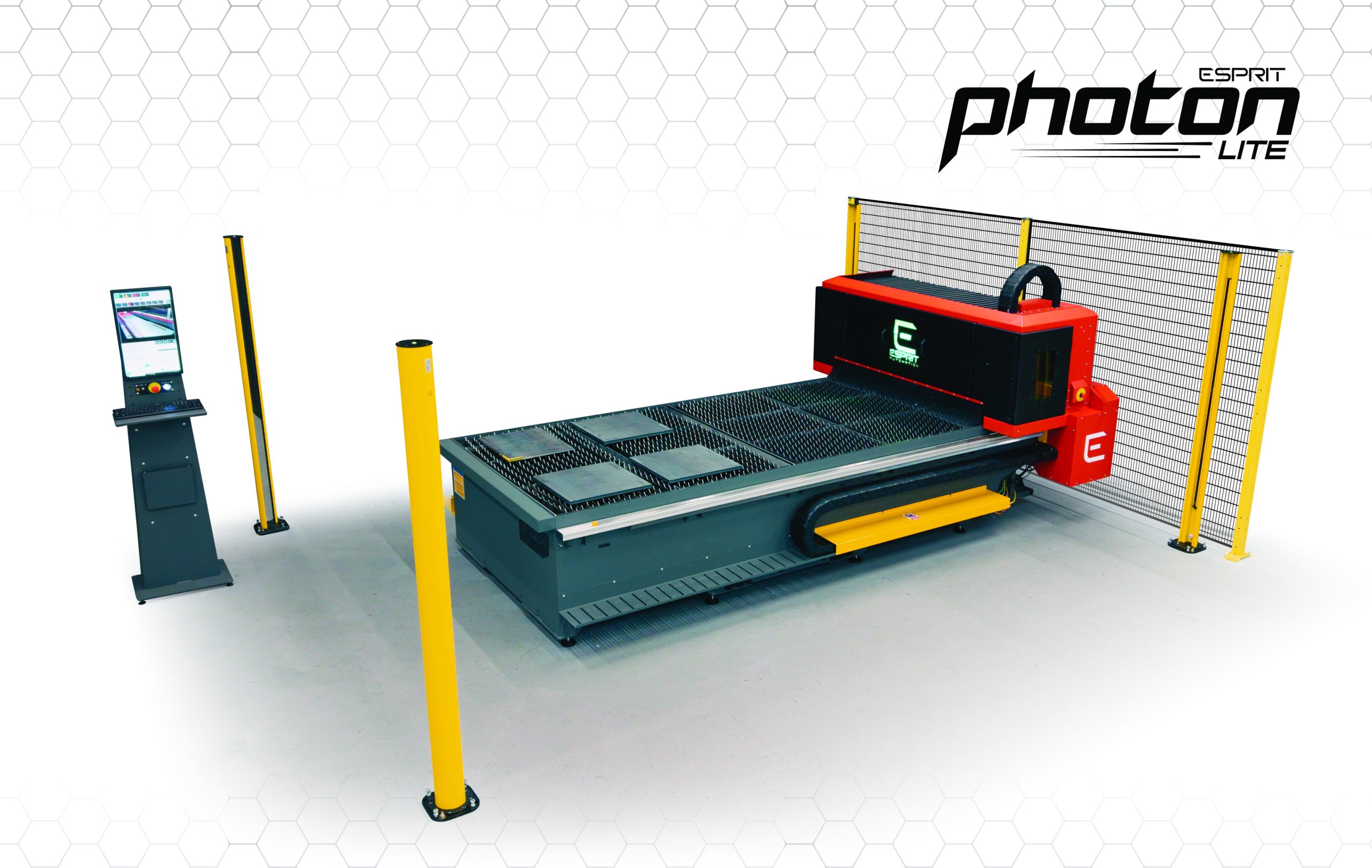
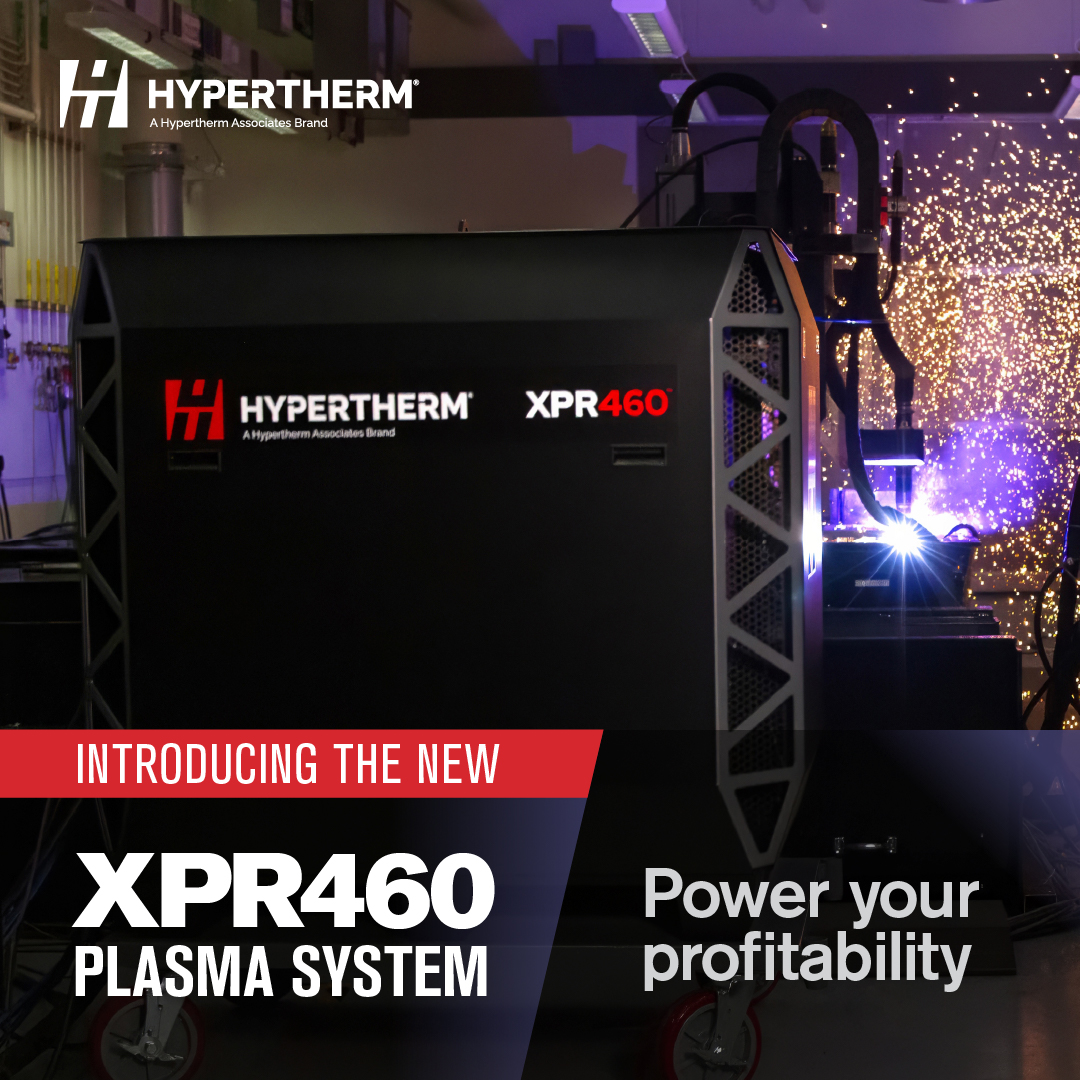
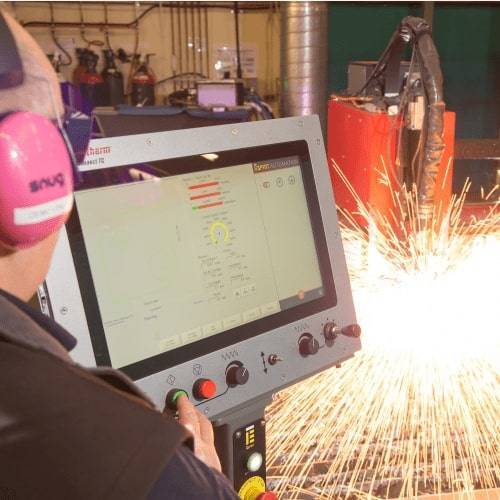
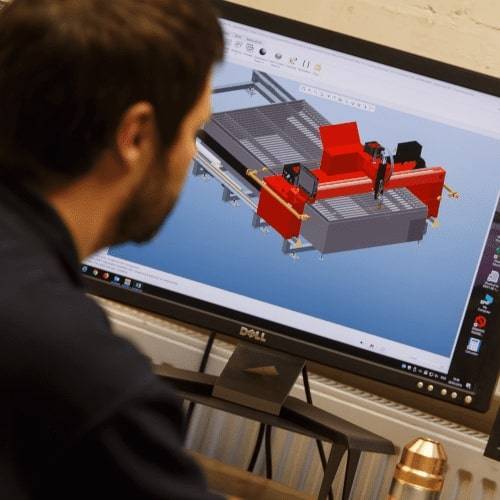
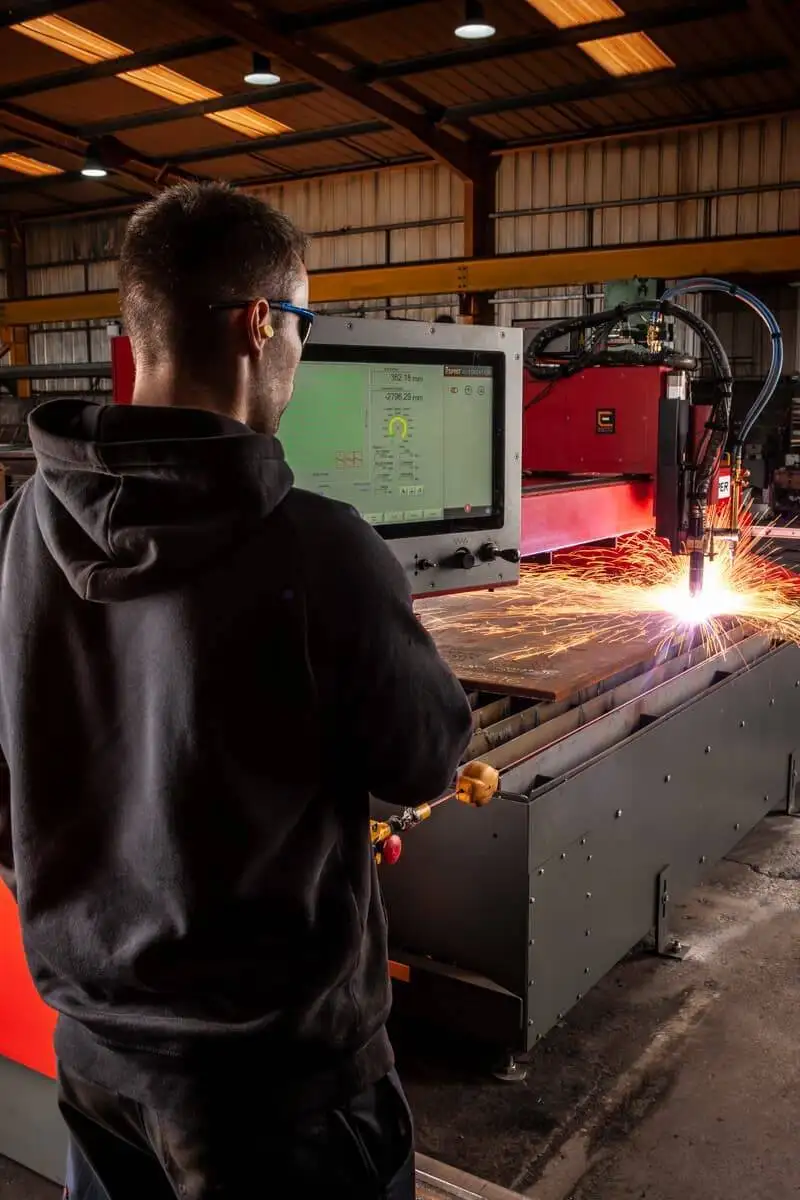
At Esprit Automation Ltd, our application engineers have spent nearly four decades designing rail-based and gantry-mounted CNC platforms built specifically for continuous plate processing. Manufactured at our Nottingham facility in the United Kingdom, our machines combine heavy stress-relieved gantry structures, high-performance Hypertherm plasma systems (such as the XPR300 and XPR460), multi-torch oxy-fuel carriages, and precision fiber laser units to give steel service centers a decisive competitive edge.