Designed & Built in Nottingham, UK — Since 1986 +44 (0)115 939 1888 [email protected]
British Engineering · Heavy Plate Excellence

CNC Flame Cutting Machine Engineering & Global Procurement Guide

Master heavy carbon steel plate fabrication up to 300 mm with multi-head oxyfuel technology. UK-engineered by Esprit Automation for structural steelwork, shipyards, and high-throughput steel service centres worldwide.

  • Pierce & Severance Up to 300 mm
  • Multi-Torch Production Efficiency
  • 35+ Years UK OEM Manufacturing
300 mmMaximum Plate Thickness
60+ %Gas Cost Savings vs Air Plasma
35+ YrsBritish Manufacturing History
30+Countries Operating Esprit Units
Heavy Fabrication Engineering

High-Performance CNC Flame Cutting Machine Solutions


Selecting an industrial CNC flame cutting machine requires balancing structural machine mass, motion control accuracy, gas metering technology, and thermal protection. Explore our flagship heavy-plate oxyfuel platforms engineered to maximize total part throughput.

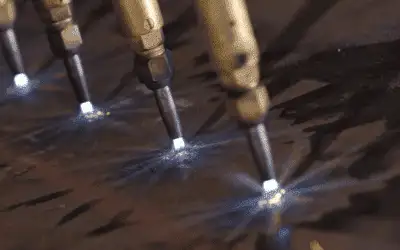
Four oxyfuel torches cutting heavy plate on an Esprit CNC flame cutting machine Multi-Torch Flame

Heavy-Duty Rail-Based CNC Flame Cutter

  • Plate Thickness: 10 mm – 300 mm
  • Torch Capacity: Up to 8 Independent Oxyfuel Heads
  • Drive System: Dual-Drive AC Servo with Precision Planetary Gearboxes

Designed specifically for steel service centers and heavy fabrication facilities cutting thick carbon steel plates. Featuring high-flow gas manifolds, automatic ignition, and heat-shielded steel frames to ensure unyielding stability during prolonged thermal cutting shifts.

Get Catalog
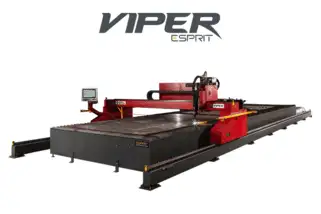
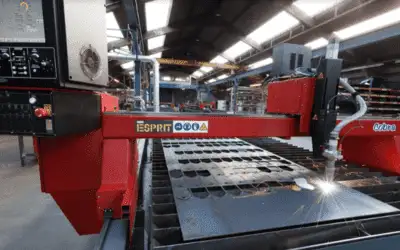
Esprit Viper heavy-duty CNC plasma and oxyfuel flame cutting machine table Hybrid Oxy-Plasma

Hybrid Plasma & Oxyfuel Flame Cutting Machine

  • Dual Technology: High-Definition Plasma + Oxyfuel Station
  • Thickness Envelope: 1 mm – 150+ mm Combined
  • Automatic Process Switchover via Nesting Software

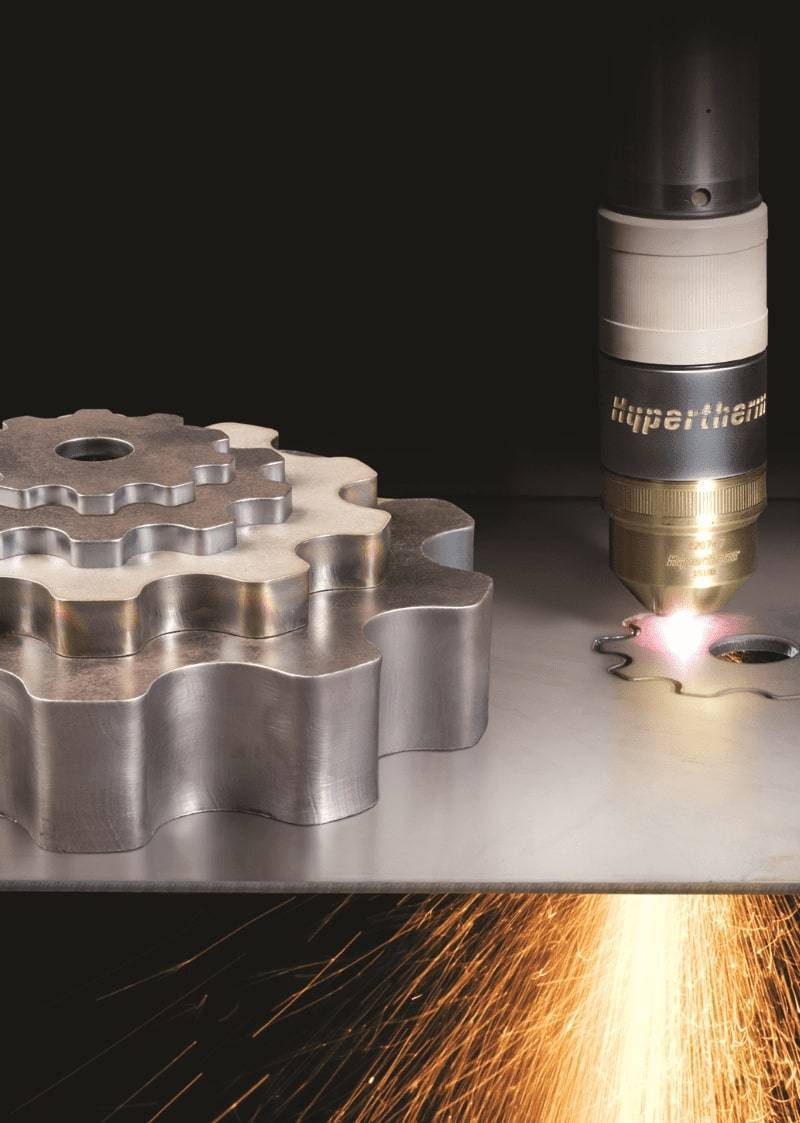
The ultimate versatile profile cutting cell. Combines the high-speed piercing and edge squareness of Hypertherm XPR High-Definition plasma on mid-range plates with the massive thickness capacity of oxyfuel flame cutting on heavy plates above 50 mm.

Get Catalog
Refurbished heavy duty CNC flame cutting machine ready for global dispatch Refurbished Heavy Oxyfuel

Factory Refurbished CNC Oxyfuel Cutting System

  • Full Mechanical & Electrical Overhaul in UK Factory
  • Upgraded CNC Controllers & Proportional Gas Valves
  • Complete Factory Warranty & Operational Training

For fabricators seeking high-capacity heavy plate cutting with reduced capital expenditure. Every machine is fully stripped, rebuilt with modern drives, re-machined, and validated on real steel plate samples prior to global shipping.

Get Catalog
Engineering Insights & Information Gain

Why Oxyfuel Flame Cutting Remains Unrivalled for Thick Carbon Steel


While high-wattage fiber lasers and high-definition plasma systems have expanded their reach across thin to medium metal sheets, the physics of chemical exothermic oxidation makes the CNC flame cutting machine the undisputed leader for cutting thick mild steel above 50 mm, stretching up to 300 mm and beyond.

Unlike plasma or laser cutting—which rely purely on converting electrical power into concentrated heat to melt and blow away metal—oxyfuel cutting uses a fuel gas (Propane, Acetylene, or Natural Gas) only to preheat the carbon steel to its ignition temperature (~870°C). Once preheated, a high-purity jet of cutting oxygen is injected, triggering a rapid exothermic reaction where the iron literally burns, releasing immense thermal energy that cuts cleanly through thick steel plates.

  • Zero Amperage Dependency: Operating cost does not scale exponentially with plate thickness.
  • Multi-Torch Parallelism: Mount 4 to 8 slave torches on a single heavy gantry to multiply output without needing multiple power sources.
  • Superior Verticality: Delivers square edge profiles with zero bevel drift over deep cut depths (>100 mm).

Get Catalog

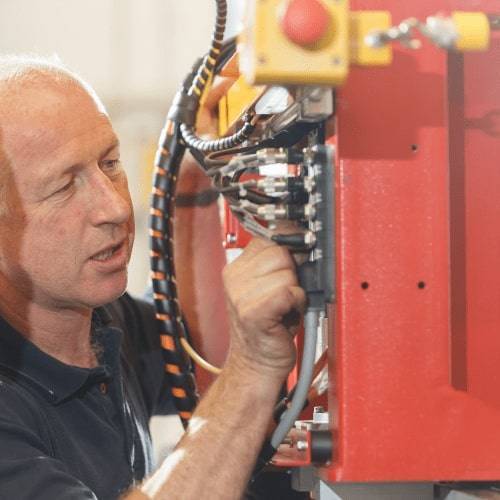
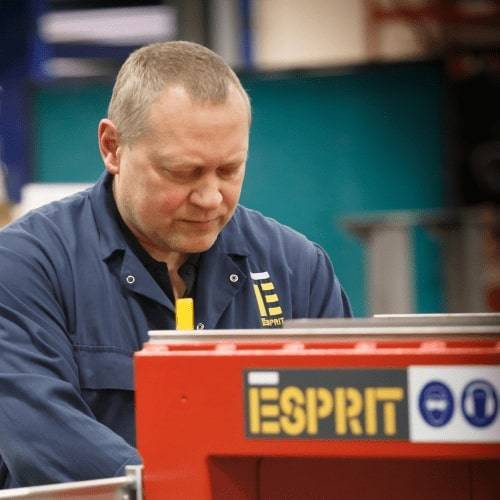
Esprit Automation engineer inspecting precision components on a CNC heavy plate cutter
Process Decision Matrix

Comprehensive Thermal Cutting Technology Benchmarking

Compare key technical parameters across modern industrial metal cutting processes to make data-backed procurement decisions.

Industrial Cutting Process Comparison Matrix (Mild Steel Focus)
Evaluation Metric CNC Oxyfuel Flame Cutting High-Definition Plasma High-Power Fiber Laser
Optimal Economic Thickness 50 mm to 300+ mm 3 mm to 50 mm 0.5 mm to 25 mm
Cutting Speed on 75mm Plate High (~250-350 mm/min) Limited / Severe Dross Extremely Slow / Uneconomic
Bevel & Edge Squareness (>50mm) Very High (Near-Zero Bevel) Moderate Bevel Angle Draft & Rough Kerf Surface
Capital Expenditure (CapEx) Moderate to Low Moderate to High Extremely High
Electrical Power Consumption Minimal (< 5 kW for Motion) High (30 kW – 100 kW) Very High (20 kW – 60 kW)
Tolerance on Surface Rust/Scale Exceptional (Clears Surface Scale) Requires Clean Surface/Good Ground Highly Sensitive to Rust & Oil
Multi-Torch Scalability Seamless (Up to 8+ Torches) Limited (Max 2 Torches typical) Single Cutting Head Only
Trust, Experience & Authoritativeness

Why Global Fabricators Partner with Esprit Automation


Founded in 1986 by engineering graduates from the University of Nottingham, Esprit Automation has spent over 35 years refining British CNC cutting technology. Unlike suppliers who white-label foreign imports, we maintain complete control over design, machining, fabrication, control assembly, and software integration right here in the UK.

Our long-standing status as a principal Hypertherm OEM partner and our custom-engineered heavy-duty machine frames guarantee that every machine delivered to your shop floor meets the highest standards of reliability, precision, and longevity.

In-House Manufacturing

Heavy steel structures welded, stress-relieved, and machined under one roof in Nottingham.

Lifetime Engineer Support

Direct phone and remote diagnostic support from the design engineers who built your machine.

Esprit Automation manufacturing a CNC heavy plate cutting machine in Nottingham UK Esprit UK Manufacturer since 1986 badge
Factory Verification

Inside Our Nottingham Manufacturing Facility


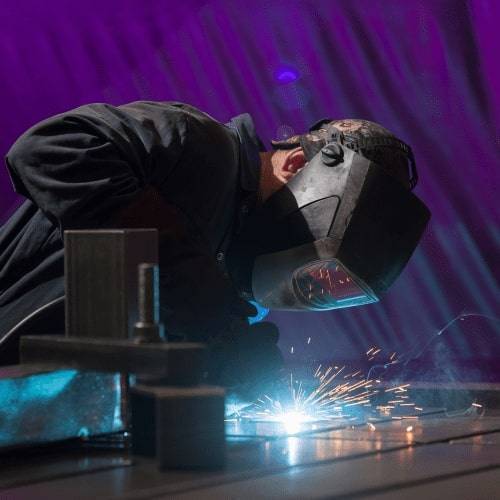
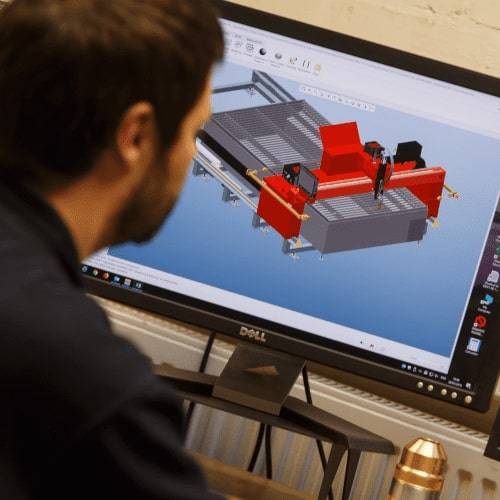
Precision machining of CNC flame cutting machine base frame Certified structural welding of heavy duty CNC gantry frame In-house CNC software development and cut-chart testing Final quality assurance testing and electrical inspection
Procurement & Technical Intelligence

CNC Flame Cutting Machine Frequently Asked Questions (FAQ)


Answers to critical technical and economic queries submitted by industrial procurement directors, factory managers, and structural engineers worldwide.

Oxyfuel flame cutting becomes dramatically more cost-effective once carbon steel thickness exceeds 50 mm. Below 30 mm, Fiber Laser and High-Definition Plasma provide faster linear speeds. However, as plate thickness increases from 50 mm to 300 mm, the electrical power and gas requirements for laser and plasma skyrocket, while oxyfuel relies on low-cost chemical energy (exothermic oxidation of iron). Furthermore, a single gantry can carry up to 8 oxyfuel torches simultaneously, multiplying production throughput at minimal additional capital cost.

The gas selection depends on your primary production goal:
• Propane: Offers high secondary flame heat and is the safest, most economical choice for thick carbon steel (>50 mm) preheating and edge cutting. Highly recommended for heavy steel service centers.
• Acetylene: Delivers the highest primary flame temperature (~3,100°C) and fastest preheat times, making it ideal for rapid edge piercing on plate up to 50 mm, though gas cost per volume is higher.
• Natural Gas: Lowest cost per BTU if piped directly to your factory, though it requires specialized high-flow preheat nozzles due to lower flame velocity.

Maintaining a constant distance between the nozzle tip and the steel plate is critical for preserving flame geometry and kerf width. Heavy steel plates often exhibit slight waviness or thermal distortion. Automatic initial height sensing (IHC) and capacitive height control adjust torch position in real time during the cutting pass, preventing nozzle collisions, ensuring consistent preheating, and preserving clean, dross-free edge profiles.

Heavy oxyfuel cutting exposes the machine frame to high ambient heat, molten slag, and massive plate loading forces. Essential structural specifications include heavy machined crane rails (not lightweight aluminum extrusions), dual-sided brushless AC servo drives with zero-backlash planetary gearboxes, heat-reflective steel shielding over drive racks and cables, and fully enclosed downdraught extraction tables to handle high thermal particulate volume.

Standard oxyfuel flame cutting relies on the chemical oxidation of iron, meaning it can only cut mild steel, carbon steel, and low-alloy steels. It cannot cut stainless steel or aluminum because their oxides melt at higher temperatures than the base metal, forming a protective barrier. For fabricators working with mixed materials, Esprit recommends a hybrid machine combining an oxyfuel torch station with a Hypertherm High-Definition plasma cutting system.

Multi-torch slave setups connect secondary oxyfuel heads to the main motorized gantry axis via steel linkage bands or individual servo drives. When cutting identical components—such as structural base plates, bridge gussets, or flange strips—all torches move in unison. Operating four torches simultaneously cuts unit production time by 75% without increasing labor overhead.

Traditional manual flame systems require operators to manually adjust needle valves for preheat oxygen, fuel gas, and cutting oxygen for every torch. Automated electronic gas consoles allow the CNC software to automatically set precise pressure and flow values based on pre-programmed cut charts for specific plate thicknesses, eliminating trial-and-error setups and delivering consistent cut quality across shifts.

Oxyfuel cutting produces respirable iron oxide fumes, carbon monoxide, and localized radiant heat. Compliance with UK HSE (COSHH) and international OSHA standards requires installing a zoned downdraught extraction table matched with an industrial cartridge fume filtration unit. Zoned tables open suction damper valves only directly beneath the active cutting head, reducing required fan kilowatt ratings while maintaining capture efficiency.

For fabricators processing over 30 tons of heavy plate monthly, bringing flame profile cutting in-house typical yields an ROI within 9 to 14 months. By eliminating subcontract processing markups, reducing raw material transport lead times, and optimizing sheet utilization via automated CAM nesting software, operational margins increase significantly from day one.

Esprit supports installations across more than thirty countries. We provide full foundation drawings, pre-installation site checks, on-site commissioning by factory-trained UK field engineers, comprehensive operator training on your own DXF drawings, and continuous remote diagnostics via integrated CNC tele-service capability.

Direct Factory Technical Engagement

Request Technical Specifications & Custom Quotation


Whether you are establishing a new heavy plate cutting hall, upgrading an aging oxyfuel gantry, or seeking cost-per-part optimization for structural steel, our senior engineering team is ready to analyze your drawings and deliver an optimized proposal.

Esprit Automation Ltd stacked logo
Direct Sales Line
+44 (0)115 939 1888
Technical Email Support
[email protected]
UK Engineering Headquarters
Esprit Automation Ltd
Plackett Mill, Church Drive
Sandiacre, Nottingham, NG10 5EE
United Kingdom
Operating Hours
Monday – Friday: 08:30 – 17:00 (GMT)