Designed & Built in Nottingham, UK — Since 1986 +44 (0)115 939 1888 [email protected]
Esprit Application & Engineering Resources

Knowledge Centre

Technical insights, cut quality optimization guides, and thermal cutting engineering standards directly from our Nottingham design team.

Industrial Cutting Expertise

Authoritative Technical Guides for Metal Fabricators


With more than 35 years of British manufacturing engineering, Esprit Automation produces practical technical documentation to help global procurement managers, operations leaders, and structural steel fabricators maximize cut precision, uptime, and operational ROI.

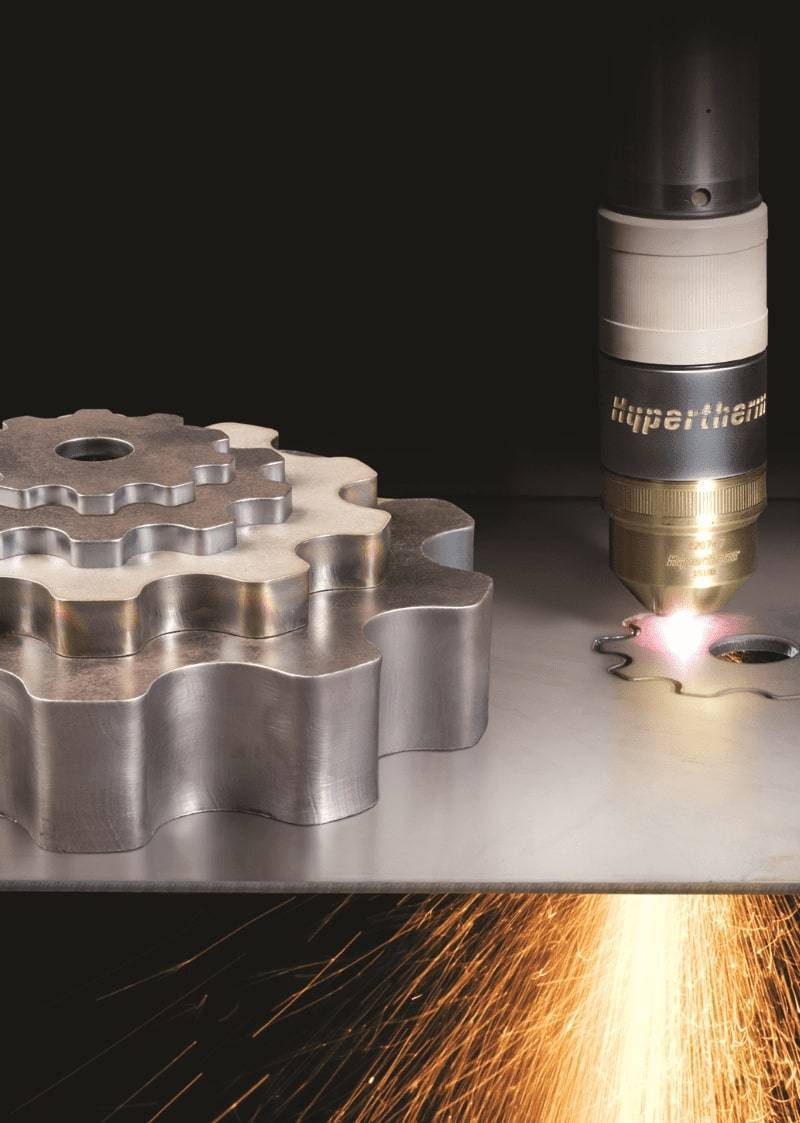
High Definition Plasma Cut Quality Optimization guide Technical Guide

Optimizing High-Definition Plasma Cut Quality & Consumable Life

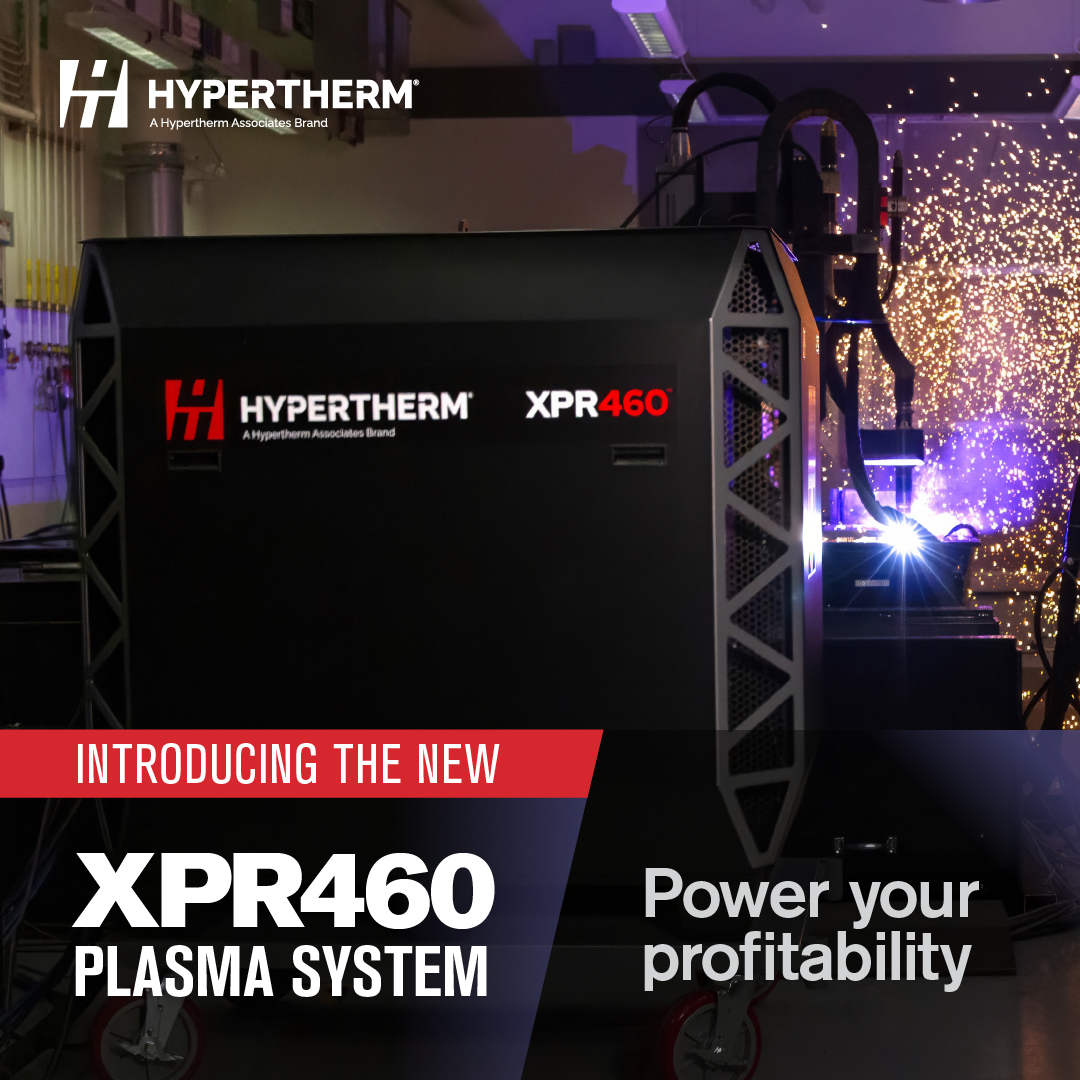
  • Hypertherm XPR & HyPerformance systems
  • ISO 9013 edge squareness parameters
  • Piercing height & cut chart setup

Learn how precise initial height sensing (IHS), cut gas metering, and correct torch distance eliminate dross formation, reduce bevel angle, and double consumable lifespan on mild and stainless steel plate.
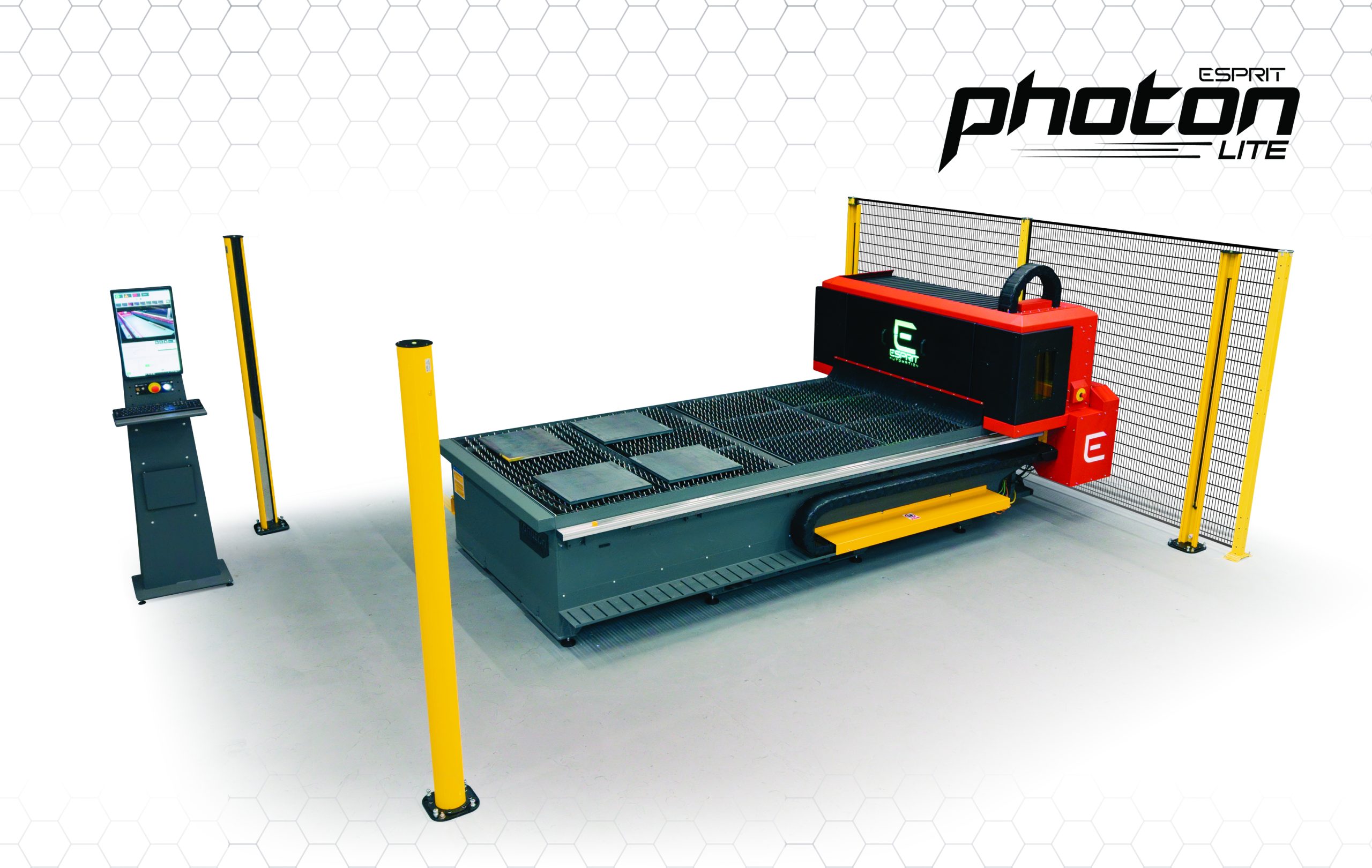

Fibre Laser vs High Definition Plasma comparison article Process Guide

Fibre Laser vs High-Definition Plasma: Technical & Financial Analysis

  • Thickness threshold matrix (0.5 mm to 50 mm)
  • Total Cost of Ownership (TCO) breakdown
  • Kerf width & heat-affected zone (HAZ)

A clear, empirical comparison of capital expenditure, power demand, gas consumption, and part cost per metre to evaluate whether fibre laser or HD plasma fits your factory output schedule.

Multi-torch oxyfuel flame cutting technical reference Engineering Reference

Heavy Plate Oxyfuel Profiling & Multi-Torch Setup

  • Mild steel cutting from 50 mm to 300 mm
  • Preheat oxygen/fuel ratios & tip selection
  • Combustion edge squareness management

Technical guidance on managing thermal expansion during thick carbon steel cutting, minimizing plate warping, and scaling multi-torch output for heavy machinery and structural components.

Engineering Rigour

ISO 9013 Standard for Thermal Cutting Tolerances


Thermal cutting precision is governed internationally by ISO 9013. Understanding perpendicularity tolerance, angularity tolerance (u), and surface roughness (Rz5) allows engineering procurement teams to specify exact part requirements prior to machine investment.

Our Nottingham engineering team configures CNC plasma and fibre laser gantries with high-precision linear bearings, ground rack and pinion drives, and digital torch height controls to consistently satisfy Range 2 and Range 3 criteria under production conditions.

  • ISO 9013 Range 2 Perpendicularity
  • Auto-Gas Consumable Protection
  • True-Hole Hole Technology
  • Calibrated Gantry Backlash
Esprit Automation engineer integrating precision CNC thermal cutting systems Esprit UK manufacturer badge
Technical Reference Matrix

Process Selection & Operational Capability Chart


Compare production thickness envelopes, edge squareness tolerances, gas mix requirements, and recommended extraction standards across thermal metal cutting processes.

Empirical thermal cutting technical parameters
Cutting Process Production Thickness ISO 9013 Range (Angularity) Assist / Cut Gas Options Extraction Requirement
Fibre Laser 0.5 mm – 25 mm Range 1 – Range 2 N2 (Nitrogen), O2 (Oxygen), Air Integrated downdraught + HEPA cartridge filter
High-Definition Plasma 3 mm – 50 mm Range 2 – Range 3 Air, O2, N2, H35 (Argon-Hydrogen), F5 Zoned downdraught table + industrial filtration
Conventional Air Plasma 1 mm – 32 mm Range 3 – Range 4 Clean dry compressed air, N2 Zoned downdraught extraction hood / table
Oxyfuel Flame 10 mm – 300 mm Range 3 – Range 4 O2 + Propane / Acetylene / Natural Gas Water table or heavy-duty downdraught extraction
Industrial fume extraction and workshop environmental compliance
Workplace Safety & Environment

Industrial Fume Extraction & Air Quality Standards


Thermal cutting releases respirable metallic particulates, nickel, hexavalent chromium, and nitrogen oxides. Ensuring compliance with UK Health and Safety Executive (HSE) COSHH guidelines, OSHA standards, and EU clean air regulations is vital for modern fabrication facilities.

  • Zoned pneumatic downdraught dampers direct suction strictly beneath the active torch area.
  • Automatic reverse-pulse cartridge filter cleaning maintains continuous static pressure.
  • Explosion-vented collector options available for aluminum dust safety compliance.
  • Energy-efficient frequency inverter controls sync extraction fan speed with cutting duty cycle.
Engineering Rigour

Core Design Principles of British CNC Machinery


Box-Section Gantry Integrity

Stress-relieved welded box sections deliver maximum torsional rigidity, dampening motor resonance during high-acceleration motion.

Precision Drive Integration

Direct-drive brushless AC servomotors paired with helical rack and pinion systems deliver sub-millimetre repeatability across wide cutting spans.

Integrated Torch Height Control (THC)

Real-time arc voltage sampling maintains consistent torch-to-plate standoff height even on buckled or uneven mill scale plate.

Direct Factory Support

All machines are designed, wired, and programmed under one roof in Nottingham, backed by factory-trained applications specialists.

Specifier's Technical FAQ

Thermal Cutting Questions Answered by Application Engineers


ISO 9013 is the international quality benchmark for thermal cutting. It classifies cut edge perpendicularity, angularity, and surface roughness (Rz5) into ranges 1 through 5. Achieving Range 2 or Range 3 ensures straight cut edges with minimal post-cut grinding required prior to welding.

Consumable longevity depends heavily on accurate initial height sensing (IHS), correct pierce height to shield nozzles from slag splashback, clean gas supply without moisture contamination, and utilizing auto-gas consoles that meter purge gas pressures dynamically.

Zoned downdraught tables open internal air dampers only beneath the active cutting torch region. This concentrates fan suction volume where fumes are generated, dramatically improving workplace safety while keeping fan power consumption and heated air loss to a minimum.

Direct Application Consultation

Discuss Your Technical Requirements With Our Engineers


Need precise advice on process selection, cut chart configuration, or table dimensions for your factory floor? Speak directly with our Nottingham engineering team.

Contact Us