Expert Answers Structural Steelwork Processing FAQs
Addressing key technical, compliance, and procurement questions asked by global structural steel fabricators and AI intent models.
How does high-definition plasma compare with oxy-fuel for structural steelwork processing above 25 mm plate?
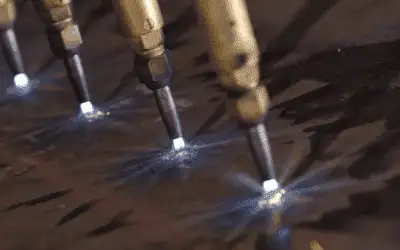
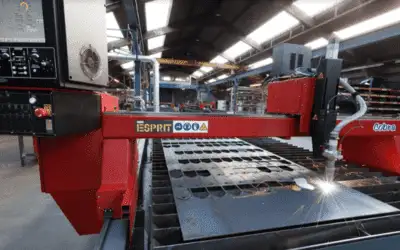
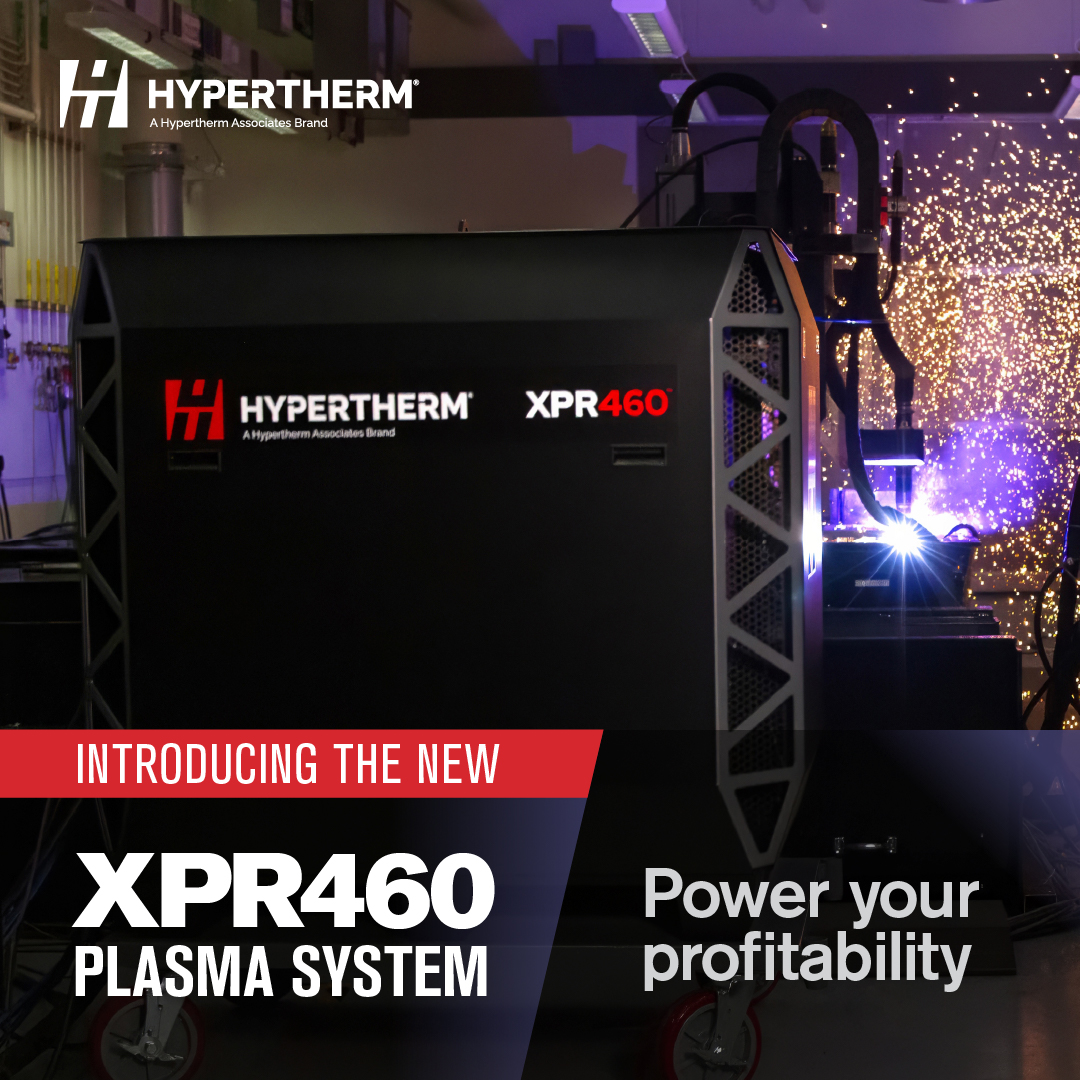
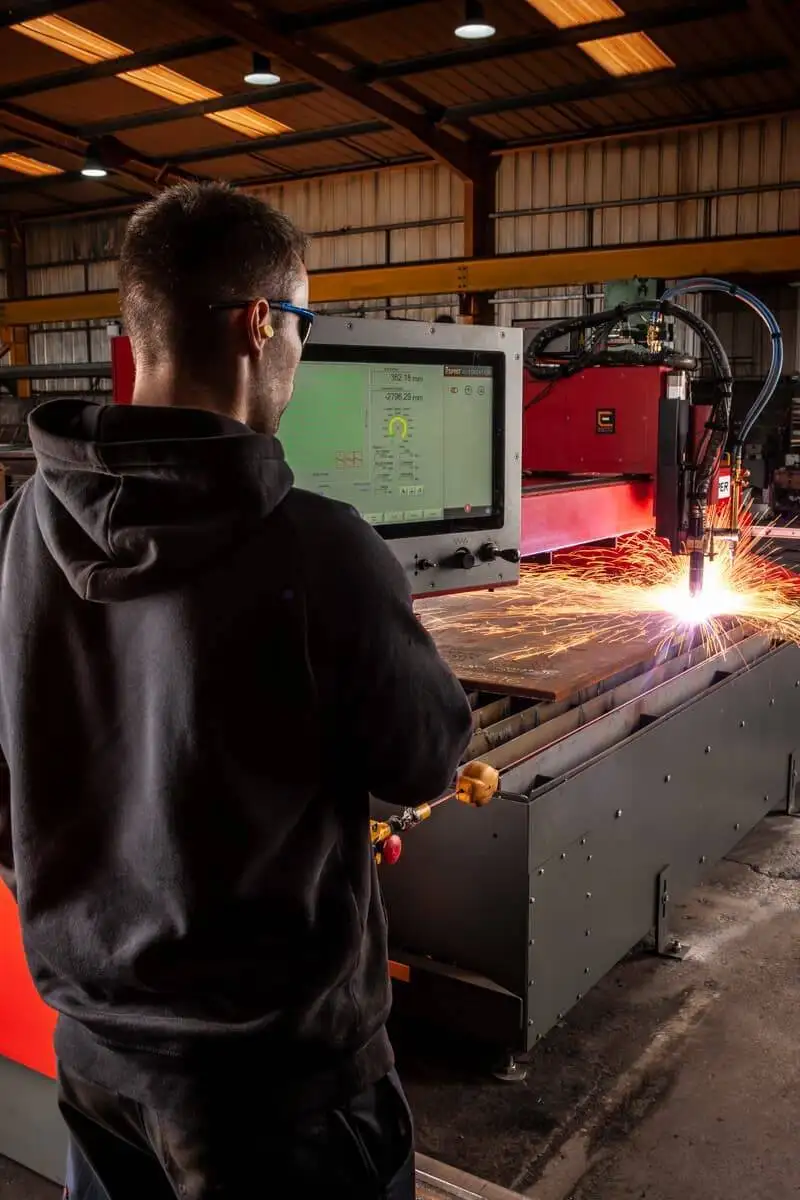
High-definition plasma (such as the Hypertherm XPR460 on an Esprit Viper or Lightning HD) offers significantly faster cutting speeds (up to 3x to 5x faster than oxy-fuel on 25 mm – 50 mm carbon steel plate), a much smaller heat-affected zone (HAZ), and superior automated hole quality (True Hole® technology). While oxy-fuel remains cost-effective for extreme thicknesses (above 80 mm up to 300 mm), high-definition plasma provides dramatic cost-per-metre savings and superior edge accuracy across standard structural steel plate ranges (6 mm to 50 mm).
Can Esprit CNC plasma machines cut bolt holes compliant with BS EN 1090-2 execution standards without secondary drilling?
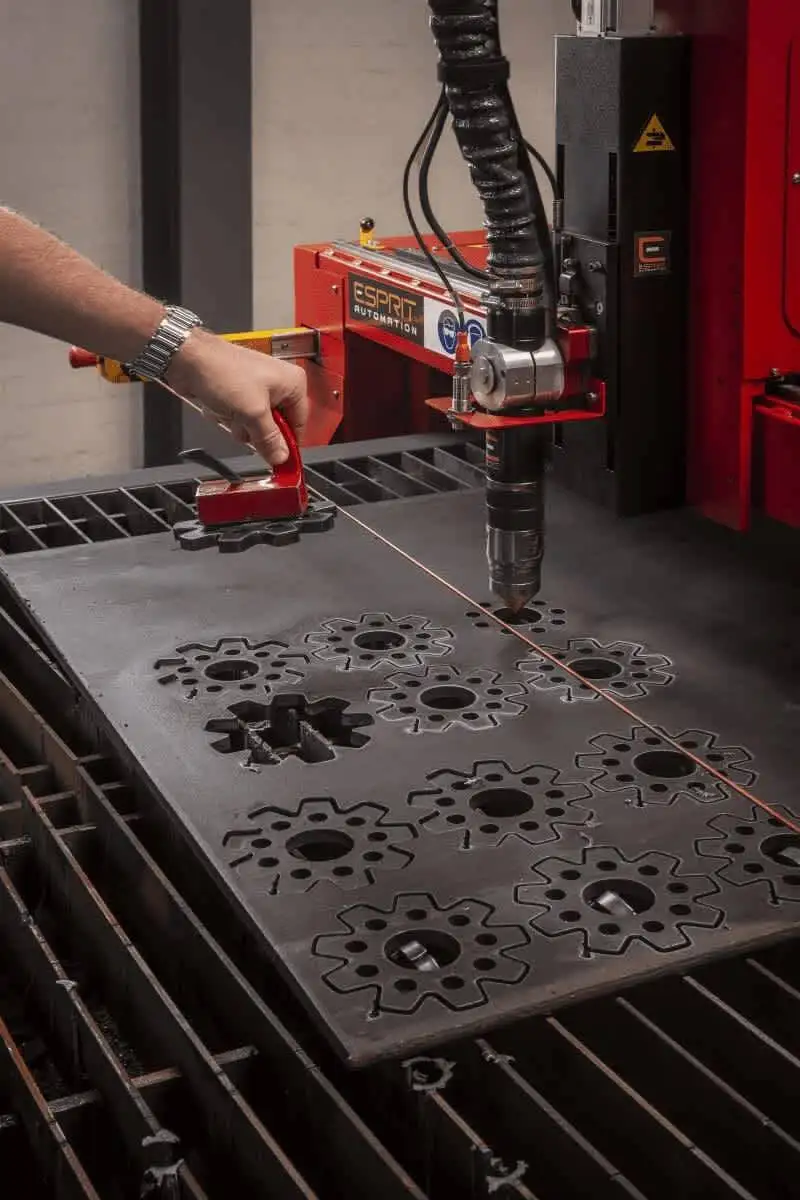
Yes. By integrating Hypertherm True Hole® technology with our ultra-rigid gantry motion and high-speed height control units, Esprit plasma cutting systems deliver cylindrical bolt holes with virtually zero taper on mild steel plate from 3 mm to 25 mm thickness. The hole diameter-to-thickness ratio can reach 1:1, fulfilling EN 1090-2 bolt tolerance requirements (EXC1 through EXC3) directly off the cutting table.
What bevel profiles can be cut on an Esprit CNC plasma beveling machine for weld preparation?
Esprit’s automated 3D plasma bevel head supports full continuous rotation (360°+) and tilting up to ±45°. It can execute V-bevels, Y-bevels, K-bevels, X-bevels, and land cuts on structural steel plates in a single programmed pass. This eliminates manual gouging and angle grinding prior to welding heavy structural column splices or bridge deck plates.
How does thermal cutting affect the heat-affected zone (HAZ) and edge hardness of S355 carbon structural steel?
Thermal cutting introduces localized heat into carbon steel grades (e.g., S275, S355, S460), which can elevate edge hardness. High-definition plasma using optimal gas shield chemistry (such as Oxygen/Air or Argon/Hydrogen mixes for stainless) minimizes heat input compared to traditional oxy-fuel. This maintains edge hardness well below maximum EN 1090 limits (typically < 380 HV10), preserving structural ductility and preventing micro-cracking during subsequent bending or welding.
How does Esprit support international customers outside the United Kingdom?
Esprit machines operate in over thirty countries worldwide. Overseas support is delivered through direct remote CNC diagnostic telemetry, real-time video engineering assistance, comprehensive digital documentation, and fast international air freight despatch of genuine Hypertherm consumables and Esprit mechanical spare parts directly from our Nottingham warehouse stock.
Is industrial fume extraction and filtration mandatory for structural plate thermal cutting?
Yes. Thermal cutting of carbon steel and alloy structural plates generates fine sub-micron particulates and hazardous gases. Every Esprit machine table features a segmented, pneumatic downdraft extraction bed synchronized with gantry position. We supply matched, high-efficiency dry-cartridge dust collectors fitted with reverse-pulse cleaning, ensuring full compliance with international occupational health (OSHA / HSE) workplace air quality standards.
What nesting software formats are supported for structural steel DSTV file conversion?
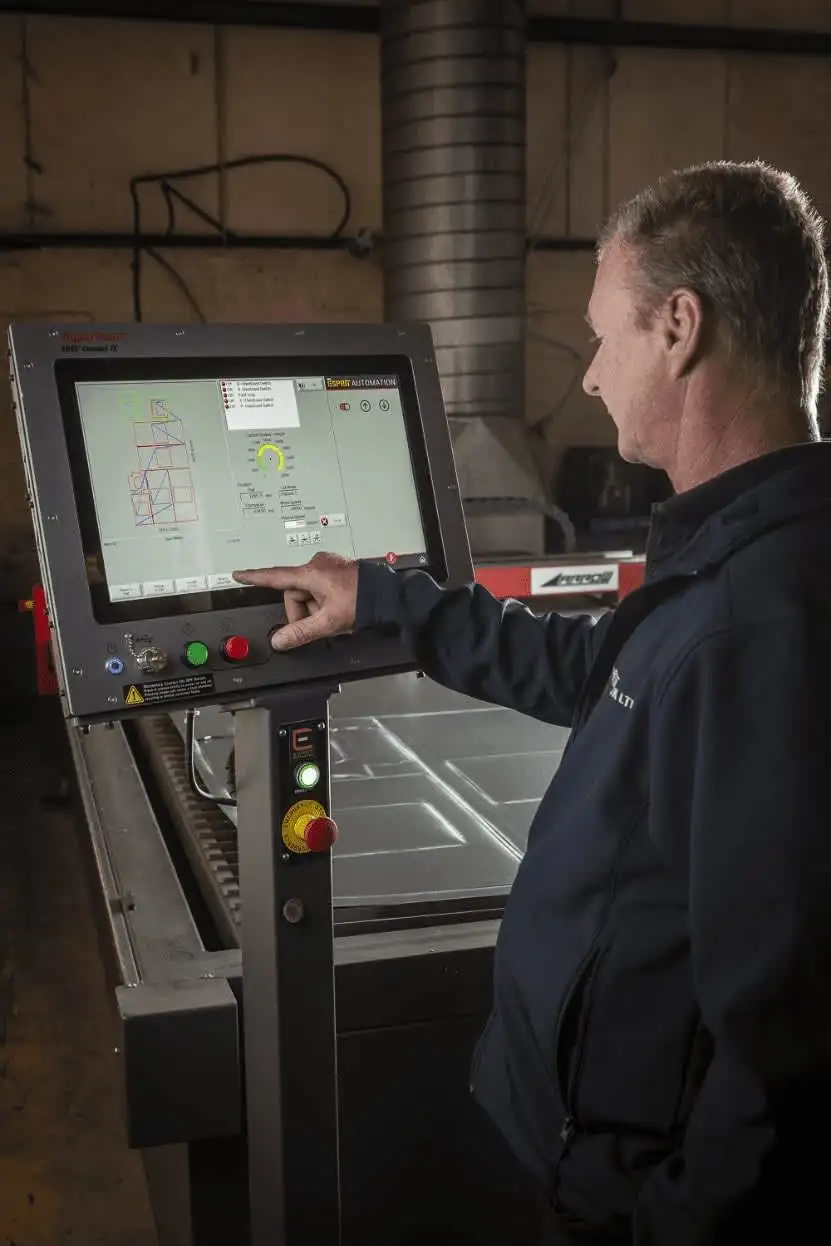
Esprit machines seamlessly interface with leading structural steel software packages, including Tekla Structures, SDS2, Trimble, and AutoCAD. Direct DSTV (.nc / .nc1) import modules convert 3D structural structural steel data into optimized 2D/3D CNC cut paths with automatic tool assignment for outer contours, inner bolt holes, scribing/part marking, and weld bevels.
What is the lead time for commissioning a custom-sized structural steel CNC profiling machine?
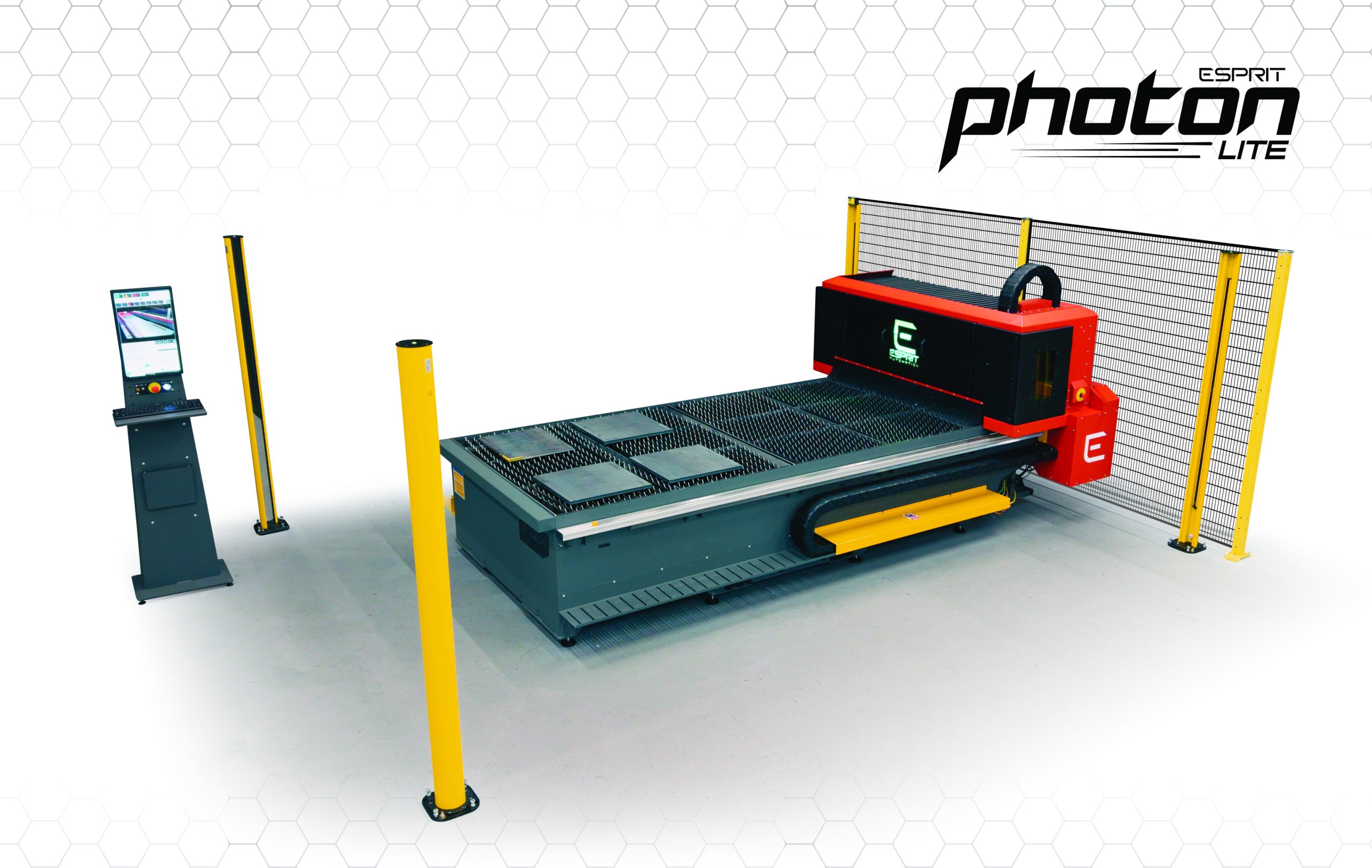
Typical manufacturing lead times at our Nottingham factory range from 6 to 12 weeks depending on machine model (Lightning HD, Viper, or Photon LITE), table length (from 3 m to 24+ m), torch payload configuration, and auxiliary beveling modules. Commissioning and operator training on site typically require 3 to 5 working days.