Designed & Built in Nottingham, UK — Since 1986 +44 (0)115 939 1888 [email protected]
0%

Choosing the best Heavy-Duty Plasma Cutting Table in 2026 requires more than comparing motor power or cutting speed. A reliable table must handle thick steel, repeated production cycles, and demanding workshop conditions. It should also deliver clean cuts without creating unnecessary maintenance problems.

This guide examines the practical features that matter most. We consider cutting capacity, gantry stability, torch height control, table construction, software compatibility, and fume management. A strong machine should move smoothly, resist vibration, and maintain accurate positioning across large sheets. Small details matter. A loose cable or weak slat can quickly affect cut quality.

Real workshop experience often reveals what brochures overlook. Operators notice whether loading a heavy plate feels safe and simple. They also notice how quickly consumables wear during long shifts. Service access, replacement parts, and technical support deserve equal attention. A lower purchase price may not mean lower ownership costs.

Not every table suits every buyer. A fabrication shop may need fast production and automated nesting. A training facility may value simpler controls and safer operation. Home users may prioritize footprint and electrical requirements. These differences make a universal winner unlikely.

We will compare leading options using practical, measurable standards. However, specifications do not tell the whole story. Manufacturer claims should be checked against independent reviews, warranty terms, and real user feedback. Some conclusions may remain imperfect, especially when long-term durability data is limited. That uncertainty deserves attention before making a costly investment.
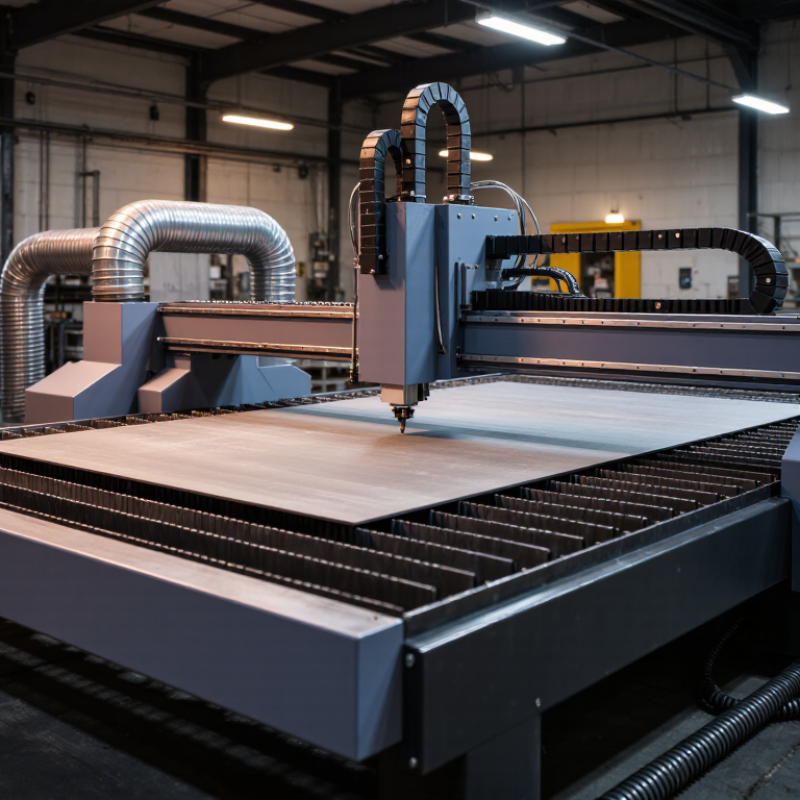
What Is the Best Heavy Duty Plasma Cutting Table in 2026?

What Defines a Heavy Duty Plasma Cutting Table in 2026?

What Is the Best Heavy Duty Plasma Cutting Table in 2026?

What Defines a Heavy Duty Plasma Cutting Table in 2026?

A heavy duty plasma cutting table starts with a rigid, accurately welded frame. It should resist vibration when cutting thick steel for long production runs. A reinforced gantry helps maintain stable torch movement across the work area. Excessive flex can create uneven edges, especially around corners and small holes.

The drive system also matters. Quality linear rails, protected bearings, and properly aligned motors support repeatable cuts. A suitable table should handle high duty cycles without overheating its motors or control cabinet. It needs a strong slat bed, replaceable supports, and easy access for removing slag. Small design details matter.

Fume control now defines practical performance. A downdraft or water-based cutting system can reduce smoke, heat, and airborne particles when correctly maintained. Operators should also check grounding, emergency stops, torch height control, and electrical protection. These features support safer, more consistent operation.

Capacity is not only about maximum thickness. A table must match the workshop’s floor space, power supply, material handling, and expected workload. Bigger is not always better. A large bed may waste space and increase maintenance costs. In real use, imperfect alignment, dirty rails, and worn slats can still reduce accuracy. Regular inspection remains essential. That part is easy to overlook.

Which Features Matter Most for Heavy Duty Plasma Cutting?

For heavy-duty plasma cutting in 2026, table stability matters more than impressive cutting speed. MarketsandMarkets valued the global plasma cutting machine market at approximately USD 1.9 billion in 2024, with continued industrial demand. That growth makes feature selection more important. A rigid welded frame should resist vibration during long cuts. A rack-and-pinion drive, sealed linear guides, and a strong gantry improve dimensional consistency. Small movement errors become obvious on thick steel.

Torch height control is essential. It maintains the correct arc distance when plates contain mill scale, heat distortion, or uneven surfaces. Automatic probing also reduces setup mistakes. Look for a reliable duty cycle, not only peak amperage. Continuous production can expose weak cooling systems quickly. It gets hot.

A water table helps control heat and sparks, while properly designed extraction protects visibility and air quality. OSHA guidance emphasizes effective ventilation for welding and cutting fumes; enclosed extraction zones are usually more practical than a fan placed nearby.

Cut quality should be measured against ISO 9013 thermal-cutting classifications, rather than marketing photographs. Check bevel angle, dross, pierce delay, and edge roughness on your actual material. Software should support nesting, lead-in control, and fault logging. Service access matters too. I have seen technically capable machines lose production because consumables were difficult to replace. A perfect specification sheet can still disappoint. Before purchase, request test cuts using your thickest plate, smallest holes, and longest expected shift. That test may reveal an uncomfortable truth: maximum capacity is not the same as dependable capacity.

How to Compare Cutting Capacity, Accuracy, and Worktable Size

Choosing the best heavy duty plasma cutting table in 2026 starts with matching capacity to real production needs. A table rated for thick steel may still struggle with continuous cutting. Check the maximum pierce thickness, recommended cutting thickness, and duty cycle. These figures matter more than impressive peak ratings.

Accuracy deserves equal attention. Look for repeatability, gantry rigidity, torch height control, and motion resolution. A rigid frame reduces vibration around corners and small holes. In practical testing, measure several identical parts after the table warms up. Heat can change results. I once trusted a single sample cut, and that was careless. Inspect kerf width, edge squareness, dross, and hole quality across different plate thicknesses. Ask for test reports, maintenance records, and clearly defined tolerances.

Tips: Choose a worktable that fits your largest regular sheet, not your largest imaginable sheet. Leave space for loading and safe material handling. A water table can reduce smoke and heat, while a dry table may simplify cleanup. Check slat replacement costs and access to the torch, rails, and drive components. Shortcuts appear expensive later. Also compare software controls, nesting accuracy, emergency stops, and operator training requirements. A larger table is not automatically better if the gantry flexes or the workshop cannot support its footprint. Compare measured performance, service documentation, and long-term operating costs before deciding.

What Is the Best Heavy-Duty Plasma Cutting Table in 2026?

Comparison of representative heavy-duty table configurations by maximum mild-steel cutting capacity, positioning accuracy, and usable worktable area. Higher accuracy values indicate a larger tolerance.

Use this comparison as a specification guide: the best table depends on the required plate thickness, dimensional tolerance, and available floor space.

Which Materials, Controls, and Safety Systems Should You Choose?

What Is the Best Heavy Duty Plasma Cutting Table in 2026?

The best heavy-duty plasma table depends on your materials, production volume, and control expectations. For thick carbon steel, choose a rigid steel frame, a powerful downdraft system, and a cutting bed rated above your heaviest plate. Stainless steel and aluminum need stable motion, clean grounding, and carefully managed heat. A wider table sounds attractive, but it can increase gantry movement and maintenance. Bigger is not always better.

Controls should support automatic torch height control, collision detection, material libraries, and real-time diagnostics. Deloitte’s 2024 Smart Manufacturing and Operations Survey found that 92% of manufacturers consider smart manufacturing important for competitiveness. That figure supports connected controls, but automation still needs skilled oversight. I would not trust preset data blindly. Plate scale, moisture, consumable wear, and shop vibration can change the cut.

Tips:

Select a table with replaceable slats, guarded drive components, emergency stops, and visible status signals. Use local exhaust designed for your cutting gases and materials. OSHA machine-guarding guidance and ANSI Z49.1 stress guarding, ventilation, training, and controlled work practices. Keep a written inspection log. Check cables, earth connections, fume airflow, and torch clearance before each shift. A 2024 industry safety report from the U.S. Bureau of Labor Statistics shows manufacturing remains a high-exposure work environment, so convenient access should never replace physical protection. Safety design may feel slow. It prevents expensive mistakes.

How to Select the Best Plasma Cutting Table for Your Workshop?

In 2026, the best heavy-duty plasma cutting table is not automatically the largest or fastest. For a workshop, selection should begin with real cutting habits. Measure your usual plate thickness, sheet dimensions, and daily production hours. A machine rated for 40 mm may struggle with long cuts if its duty cycle is poorly matched. Ask for verified cut charts, not optimistic showroom samples. That detail matters.

A rigid frame reduces vibration and helps maintain cleaner edges during extended cutting. Check the gantry drive, linear rails, torch height control, and table leveling system. For thick steel, pierce performance is as important as maximum cutting capacity. A water table can reduce smoke and heat, while downdraft extraction may suit cleaner indoor work. Confirm electrical requirements, ventilation needs, and safety controls before installation. A perfect specification sheet can still disappoint if replacement consumables are difficult to obtain. I would also inspect service response and training options, because downtime becomes expensive quickly.

Tips: Take your own material for a test cut. Watch the first pierce, corner quality, slag, and warping. Leave space for loading plates and maintaining the table. Do not choose capacity you rarely use; that extra size may increase power, floor space, and maintenance costs. Clearance is easy to overlook.

FAQS

Which feature matters most on a heavy-duty plasma cutting table?

Table stability matters more than headline cutting speed. A rigid welded frame reduces vibration during long cuts. Small movement errors become obvious on thick steel.

Why is torch height control important?

It keeps the torch at a steady arc distance. This helps when plates have mill scale, heat distortion, or uneven surfaces. Automatic probing also reduces setup mistakes.

How should I judge a machine’s real cutting capacity?

Check the duty cycle, not only peak amperage. A machine rated for 40 millimeters may struggle during long cuts. Test your thickest plate first. Maximum capacity is not dependable capacity.

What cutting table design supports cleaner edges?

Look for a strong gantry, sealed linear guides, and a reliable rack drive. These parts improve dimensional consistency. A level table also helps reduce uneven cuts.

Should I choose a water table or downdraft extraction?

A water table controls heat and sparks effectively. Downdraft extraction may suit cleaner indoor work. The right choice depends on your building and cutting habits. A nearby fan is usually not enough.

What should I inspect during a test cut?

Watch the first pierce, corner quality, slag, bevel angle, and edge roughness. Test small holes and long cuts. Bring your own material when possible. Showroom samples can look better than daily production.

How important are software and service access?

Software should support nesting, lead-in control, and fault logging. Easy service access reduces production delays. Consumables should be simple to replace. A perfect specification sheet can still disappoint.

How do I choose the correct table size?

Measure your usual plate dimensions and daily production hours. Leave space for loading, unloading, and table maintenance. Do not buy capacity you rarely use. Extra size can increase power, floor space, and maintenance costs.

What safety details should be confirmed before installation?

Confirm electrical requirements, ventilation, extraction, and safety controls. Effective fume removal protects visibility and air quality. It gets hot. I might underestimate clearance without measuring the room carefully.

Conclusion

Choosing the best Heavy-Duty Plasma Cutting Table in 2026 requires more than selecting the largest or most powerful machine. A truly heavy-duty system should combine a rigid frame, reliable motion control, a durable work surface, and sufficient cutting capacity for the materials and thicknesses used in your workshop. Important considerations include table size, load capacity, cutting speed, positioning accuracy, torch compatibility, and the ability to handle demanding production schedules with consistent results.

The best choice also depends on practical features such as easy-to-use controls, efficient fume and slag management, replaceable wear components, and well-designed safety systems. Compare each table according to your available space, power supply, workflow, maintenance resources, and future production needs. By balancing performance, accuracy, safety, operating costs, and long-term durability, you can select a plasma cutting table that provides dependable results and supports your workshop’s growth.


Amelia

Amelia

Amelia is a highly experienced marketing professional dedicated to helping customers better understand our company, products, and solutions. With a strong background in market research, content strategy, customer communication, and product education, she brings clarity and practical insight to......