Why Is Quality HVAC Ductwork Fabrication Important? Because the duct system shapes how conditioned air reaches every room. A well-designed unit can still perform poorly when ducts leak, pinch, or contain rough connections. Small details matter. A poorly sealed joint may waste treated air inside a ceiling space, while a sharp turn can add resistance and noise. These problems are not always obvious during a quick walkthrough. They often appear as uneven temperatures, persistent drafts, or rooms that take too long to cool.
HVAC Ductwork Fabrication turns building plans and airflow requirements into physical components that must fit and function on site. Accurate measurements, suitable materials, clean cuts, and secure seams help installers create a consistent air path. Good fabrication also makes inspection and maintenance easier, especially where access is limited. Project conditions vary, so details should be checked against the design, equipment requirements, and applicable standards by qualified professionals. A careful process cannot guarantee perfect comfort; insulation, balancing, installation, and building use matter too. And mistakes happen. Even experienced teams can face tight schedules or unexpected obstructions, which makes inspection and honest correction important. The goal is not merely attractive metalwork. It is a durable, well-fitted duct system that supports reliable airflow, comfort, and energy performance over time.
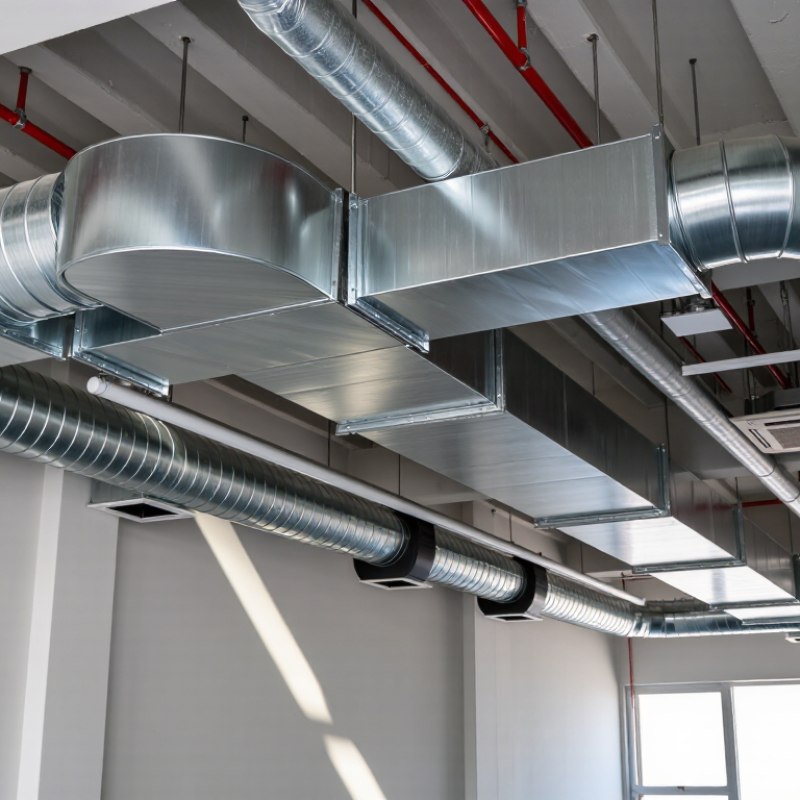
Why Is Quality HVAC Ductwork Fabrication Important?
What Quality HVAC Ductwork Fabrication Involves
Quality fabrication begins with accurate measurements and coordinated shop drawings. Fabricators translate the building plans into duct sections, fittings, and transitions that fit the available ceiling and mechanical spaces. A few millimeters can matter where ducts pass beams or crowded service runs. Small errors matter.
The work also includes selecting suitable sheet metal thickness, forming bends, joining seams, and adding reinforcement for the specified pressure class. Connections need consistent sealing, and each section should be checked for dimensions, damage, and clear identification before delivery. SMACNA’s HVAC duct construction guidance provides established practices for duct construction and reinforcement. The U.S. Department of Energy reports that typical homes can lose 20–30% of conditioned air through duct leaks, holes, and poorly connected sections. Careful fabrication and sealing help reduce these avoidable losses, though installation quality still matters. A tidy-looking seam is not proof of an airtight system. That distinction is easy to overlook. Measurements, material choices, and inspection records make quality easier to verify—and easier to improve when something does not fit as planned.
| Fabrication Dimension | What Quality Involves | Why It Matters | Practical Quality Check |
|---|---|---|---|
| Dimensions and layout | Fabricate duct sections to the approved drawings, including specified sizes, offsets, transitions, and connection locations. | Correct dimensions help ductwork fit the building layout and connect properly to equipment and adjacent sections. | Compare finished sections with current drawings and verify critical dimensions before shipment or installation. |
| Material selection | Use the material type, thickness, and finish specified for the project and the duct’s intended operating conditions. | Appropriate materials support structural performance, durability, and compatibility with the environment and system requirements. | Check material documentation and confirm that supplied stock matches project specifications. |
| Seams and joints | Form and assemble seams, joints, and connections consistently, using the construction and sealing methods specified for the system. | Poorly made or sealed connections can allow air leakage, reduce delivered airflow, and increase system energy use. | Visually inspect seams and connections; perform leakage testing when required by the project specification. |
| Stiffening and support provisions | Provide reinforcement and connection details appropriate to the duct dimensions, pressure requirements, and approved construction documents. | Suitable reinforcement helps limit panel distortion and supports stable operation under the intended system conditions. | Confirm reinforcement and connection details against the approved drawings and applicable project standards. |
| Airflow features | Fabricate transitions, elbows, branches, and fittings to the specified geometry and orientation. | Accurate fitting geometry helps the duct system follow its design and can reduce avoidable airflow disruption and pressure loss. | Check fitting dimensions, branch locations, and orientation against the coordinated duct layout. |
| Surface condition and cleanliness | Keep duct interiors reasonably clean and protect open ends and finished surfaces during handling and storage. | Clean, protected ductwork reduces the chance of construction debris or damage entering the air distribution system. | Inspect internal surfaces and end caps before dispatch and again before installation. |
| Identification and traceability | Label sections clearly with the information needed to identify their location, orientation, and installation sequence. | Clear identification helps installers place components correctly and can reduce sorting errors and rework. | Verify labels against the installation drawings and packing or delivery lists. |
| Inspection and documentation | Use documented checks appropriate to the project, including material verification, dimensional inspection, and any specified testing. | Recorded checks make it easier to identify issues early and demonstrate that fabrication requirements were reviewed. | Maintain inspection records and resolve nonconformities before the affected duct sections are installed. |
Correct dimensions help duct sections, openings, and transitions align. Small gaps matter. They can leak conditioned air.
Air may become turbulent, creating extra resistance. One room might feel stuffy while another feels too warm.
Sharp turns, crushed sections, and undersized runs can raise static pressure. Delivered airflow may drop.
Check dimensions before cutting, use gradual bends, and support flexible ducts. Sagging is easy to miss.
Fitted joints and solid supports can limit leaks, rattling, and sagging. Over time, loose seams may cause trouble.
Access panels and clear insulation space help with later inspections. Otherwise, repairs may require cutting finished ductwork.
No. Poor installation, moisture, or neglected filters can still affect performance. Fabrication is only part of the picture.
Inspect joints after installation and compare airflow across rooms. Measurements help, though balancing still matters. A drawing can miss a beam above the ceiling.
Quality HVAC Ductwork Fabrication involves carefully measuring, cutting, forming, and assembling duct sections so they fit the building and connect securely. Accurate fabrication helps maintain balanced airflow, allowing heated or cooled air to reach rooms as intended. Well-fitted ducts can also reduce air leakage and unnecessary strain on heating and cooling equipment, supporting better energy efficiency and more consistent indoor comfort.
Ductwork quality can influence indoor air quality by limiting gaps where dust and other contaminants may enter or accumulate. Strong materials, secure connections, and durable construction help ducts withstand regular use, reducing the likelihood of damage, repairs, and avoidable safety concerns. In short, thoughtful HVAC Ductwork Fabrication supports reliable airflow, efficient operation, cleaner indoor conditions, and a longer-lasting system.