Designed & Built in Nottingham, UK — Since 1986 +44 (0)115 939 1888 [email protected]
0%

Choosing the right Rail-Based CNC Flame Cutter affects cut quality, production speed, maintenance costs, and operator safety. A machine may look impressive in a brochure, yet perform poorly on a busy shop floor. Real evaluation requires more than comparing motor power or cutting thickness.

This guide presents seven practical tips for making a dependable choice. It considers rail stability, torch control, cutting accuracy, software usability, consumable availability, maintenance support, and total ownership cost. These points reflect common manufacturing requirements and recommendations found in professional equipment documentation. A reliable supplier should provide clear specifications, installation guidance, operator training, and responsive technical support. Check the details.

In daily operation, small weaknesses become visible quickly. A slightly uneven rail can create tapered edges across a long steel plate. Poor cable routing may cause interruptions beside a hot cutting table. Complicated software can also slow a capable operator. These details matter. Even experienced buyers sometimes focus too heavily on initial price and overlook downtime, spare parts, or training needs. That is an easy mistake.

The best decision combines verified data with practical observation. Request sample cuts using your typical plate thickness and material. Inspect edge smoothness, hole quality, slag formation, and repeatability. Ask how the machine performs after extended operation, not only during a short demonstration. Safety features, ventilation requirements, and manufacturer certifications should receive careful attention. No machine is perfect. However, a thoughtful selection process can reduce surprises and support consistent production for years.
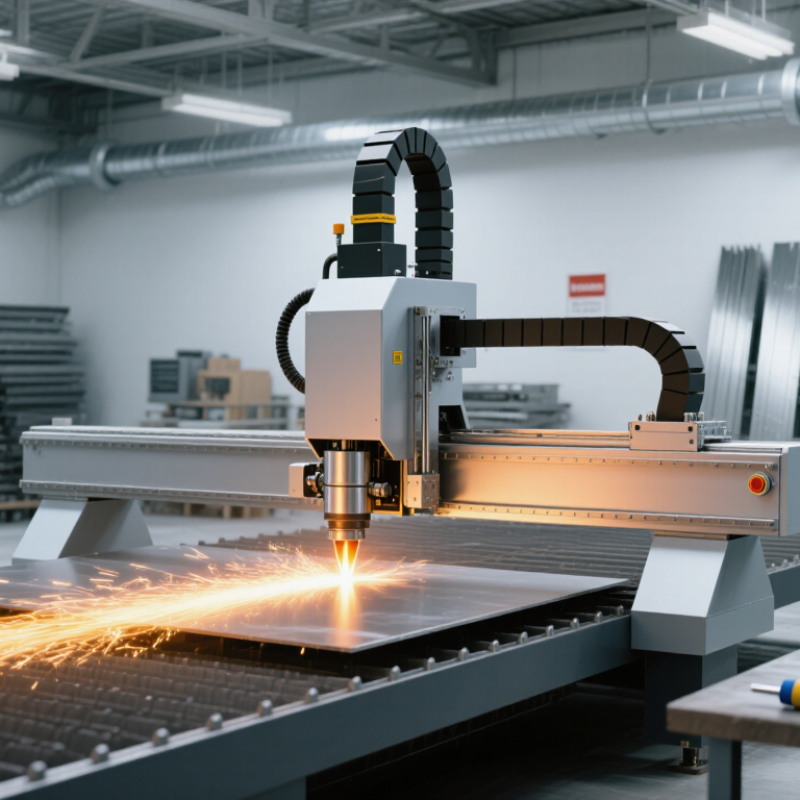
7 Tips for Choosing a Rail Based CNC Flame Cutter

Understanding Rail-Based CNC Flame Cutter Types and Cutting Applications

Choosing a rail-based CNC flame cutter starts with identifying the cutting job, not the machine name. Straight-rail systems suit long, repeated cuts on large carbon-steel plates. Gantry-style machines offer broader coverage and better torch stability. Portable rail units work well for field repairs, but they usually sacrifice speed and rigidity. Choose carefully.

A practical selection check includes seven points: rail length, frame stiffness, drive accuracy, torch height control, fuel compatibility, plate thickness, and maintenance access. Oxy-fuel cutting performs best on carbon steel, especially thick plate used in structural fabrication, shipbuilding, and heavy equipment repair. It is generally unsuitable for stainless steel or aluminum. Plasma may be more appropriate there. The wrong process creates rough edges, excess slag, and wasted gas.

Inspect the rail before judging the controller. A slightly uneven track can produce visible waviness across a long cut. Look for stable wheel contact, protected cables, adjustable flame height, and clear nesting software. Cutting speed must match plate thickness and gas pressure. Operators should verify preheat settings through test cuts, rather than trusting default values. Small details matter. Safety interlocks, flashback protection, ventilation, and trained operation are essential. In real workshops, promised accuracy can fall when dust builds around the rail. That limitation is easy to overlook, and it deserves regular inspection.

7 Tips for Choosing a Rail-Based CNC Flame Cutter

Understanding Rail-Based CNC Flame Cutter Types and Cutting Applications

Oxy-fuel flame cutting is generally selected for carbon-steel plates from approximately 6 mm upward, with many industrial systems handling plates up to about 300 mm depending on torch design, gas pressure, material condition, and machine configuration. Plasma is commonly preferred for thinner plate and faster edge production. When selecting a rail-based CNC cutter, compare thickness capability, cutting speed, torch compatibility, kerf quality, bed capacity, motion accuracy, gas availability, and after-sales maintenance requirements. The ranges shown are typical industry applications rather than fixed machine limits.

Evaluating Rail Design, Machine Size, and Material Compatibility

7 Tips for Choosing a Rail Based CNC Flame Cutter

Rail design controls cutting stability more than many buyers expect. A rigid, well-aligned rail keeps the torch path steady across long plates. Inspect the support spacing, bearing movement, and adjustment points before comparing software features. Dust and scale can collect near the guide surfaces. Easy cleaning matters. I have seen a machine lose accuracy because operators ignored small rail alignment changes. A simple maintenance routine often protects quality better than an expensive option.

Machine size should match your normal workload, not your largest dream project. Measure the usable cutting width and length, then allow space for loading and torch movement. A frame that is too small creates awkward repositioning and wasted plate. An oversized frame may demand more floor space, power, and maintenance. Check the table height, extraction arrangement, and access around the rails. These details affect daily safety and production speed. Bigger is not always better.

Material compatibility requires practical testing. Confirm the cutter’s rated range for mild steel thickness, fuel system, torch height control, and expected cutting speed. Thin sheet may distort under excessive heat, while thick plate needs stable preheating and accurate oxygen control. Ask for sample cuts using your actual material and thickness. Examine the edge for heavy dross, taper, and uneven corners. A clean brochure result can mislead. Keep records of settings, because real workshop conditions rarely match laboratory demonstrations. Also review replacement nozzle availability and operator training before making a final decision.

Comparing Torch Control, Cutting Accuracy, and Automation Features

Tip 1: Compare torch control before comparing cutting speed. A reliable height controller keeps the torch steady above the plate. It should detect uneven surfaces and adjust smoothly during cutting. Look for stable arc-voltage sensing, quick response, and simple manual override. I have seen accurate machines produce poor edges after incorrect height settings. The controller is only as dependable as its calibration.

Tip 2: Judge accuracy through repeatable test cuts. Rail alignment, gantry rigidity, backlash, and thermal movement all affect results. Cut small squares, circles, and narrow slots in different thicknesses. Measure the finished parts with calipers. Clean edges matter, but hole roundness matters too. One perfect sample proves little. Keep a cutting log with speed, amperage, material thickness, and gas settings. This makes troubleshooting less subjective.

Tip 3: Automation should reduce decisions, not hide problems. Useful features include automatic torch height control, pierce sensing, torch collision protection, nesting support, and fault alerts. Automatic gas switching can save time, but it needs correct pressure settings. Remote monitoring may help busy workshops, though it cannot replace inspection. I prefer controls that show clear warnings and allow quick corrections. More automation is not always better. A complicated interface can slow an operator during a simple job. Test the software with your real drawings before purchasing.

7 Tips for Choosing a Rail Based CNC Flame Cutter - Comparing Torch Control, Cutting Accuracy, and Automation Features

# Selection Tip Feature or Dimension to Check Practical Benchmark Why It Matters Verification Method
1 Match the machine to the work envelope Effective cutting width, rail length, plate thickness, and loading space Select a usable cutting width at least 10–15% greater than the largest regular part. Confirm the torch can handle the intended carbon-steel thickness range. Adequate travel prevents edge restrictions, reduces repositioning, and allows nesting of multiple parts on one plate. Compare the manufacturer’s effective travel—not the overall frame size—with your largest CAD nesting layout.
2 Evaluate torch height control Initial height sensing, automatic torch height control, arc-voltage feedback, and collision protection Prefer automatic sensing before piercing and continuous height control during cutting. A practical arc-voltage control resolution is around 1 V or better, subject to the controller design. Maintaining a consistent torch-to-plate distance helps stabilize the flame, protects the tip, and reduces bevel variation caused by warped plate. Ask for a demonstration on uneven plate and check whether the system stops or retracts after a collision.
3 Compare cutting accuracy and repeatability Positioning accuracy, repeatability, backlash, guide design, and thermal stability For general plate profiling, a stated positioning accuracy near ±0.10–0.20 mm per metre and repeatability near ±0.05–0.10 mm per metre are useful reference targets; actual results depend on calibration and operating conditions. Higher mechanical consistency improves hole location, part fit-up, and repeat production quality. Request a documented test cut with measured diagonals, hole locations, and repeated start-point measurements.
4 Check the rail and drive system Dual-sided drive synchronization, rack-and-pinion or linear-drive design, guide protection, and rail straightness For long machines, synchronized drives on both sides of the gantry are preferable. Protected rails and adjustable guides reduce contamination-related errors. A rigid, clean, and synchronized motion system limits racking, vibration, and dimensional drift over long cuts. Inspect rail covers, guide adjustment points, lubrication access, and the machine’s method for checking gantry squareness.
5 Review CNC and nesting automation CAD/CAM compatibility, automatic nesting, lead-in and lead-out control, kerf compensation, and file import formats The controller should support common 2D formats such as DXF, provide kerf compensation, and allow adjustable pierce delays, cutting speeds, and lead-ins. Automation reduces programming time, material waste, manual errors, and inconsistent part starts. Import a representative drawing, create a nest, simulate the toolpath, and verify that settings remain editable at the machine.
6 Confirm oxy-fuel process control Fuel-gas compatibility, preheat and cutting-oxygen sequencing, gas-pressure monitoring, and pierce-cycle control Look for programmable preheat time, oxygen-on delay, pierce height, cutting speed, and pressure alarms. Use only gases, regulators, hoses, and flashback protection approved for the selected process. Correct sequencing improves pierce reliability, edge quality, consumable life, and operator safety. Run a cold-start and restart test while checking pressure alarms, flame stability, emergency shutoff, and flashback arrestors.
7 Assess productivity, safety, and support Rapid traverse speed, usable cutting speed, fume management, guarding, diagnostics, training, and spare-parts availability Separate rapid traverse speed from actual cutting speed. Require emergency stops, flame or gas fault detection, clear guarding, accessible diagnostics, and documented maintenance procedures. Real productivity depends on pierce time, repositioning, setup, cleanup, and uptime—not only the advertised maximum speed. Measure total cycle time on a typical nest and review service response times, training materials, maintenance intervals, and critical spare parts.
Note: Accuracy and speed figures are practical reference ranges rather than universal specifications. Final performance depends on plate flatness, material grade, flame settings, torch condition, calibration, thermal effects, and operator practice.

Checking Safety Systems, Maintenance Needs, and Operating Requirements

7 Tips for Choosing a Rail Based CNC Flame Cutter

Checking Safety Systems, Maintenance Needs, and Operating Requirements

Tip 1: Inspect the emergency stop, flame-failure sensor, gas-pressure monitor, and torch collision protection. These systems should be easy to test.

Tip 2: Check for enclosed moving parts, clear warning labels, proper grounding, and effective ventilation. A clean work area matters. I once saw dust hide a damaged cable, so visual checks need patience. Ask for documented safety tests and operator training procedures.

Tip 3: Examine the rails, bearings, drive gears, hoses, and torch height mechanism. Smooth movement produces more consistent cuts.

Tip 4: Confirm that replacement nozzles, filters, cables, and seals are readily available. Maintenance becomes difficult when small parts require long delays.

Tip 5: Review the maintenance schedule and service records. A checklist helps, but it may not reveal unusual vibration or gradual accuracy loss.

Tip 6: Match the cutter with your plate thickness, material range, workspace, power supply, and expected duty cycle. Measure the floor space carefully.

Tip 7: Test the control system with your operators before purchasing. They should understand setup, gas connections, cutting parameters, and shutdown steps. Ask for a sample cut on your typical steel. The edge may look acceptable, yet the underside can show excessive dross. That detail is easy to miss. Choose equipment that fits daily work, not only impressive specifications.

Assessing Supplier Support, Total Cost, and Long-Term Value

Choosing a rail based CNC flame cutter requires more than comparing cutting width and purchase price. Supplier support can determine whether the machine earns money or sits idle. Ask how quickly technicians respond, which parts are stocked, and whether remote diagnostics are available. Request a sample service schedule.

Talk to an engineer, not only a salesperson. Ask for training records, installation procedures, and clear warranty limits. A reliable supplier should explain torch height control, rail alignment, gas settings, and expected consumable life. Visit an operating workshop if possible. Look for clean cable routing, steady motion, and consistent cuts on thick plate. Small details reveal practical experience.

Calculate total cost over several years. Include freight, installation, software updates, gas consumption, nozzles, rails, maintenance, and operator training. A cheaper cutter may need frequent alignment or expensive proprietary parts. That difference grows quietly. Ask for a five-year ownership estimate with realistic production hours. Then test the assumptions. Your workload may be lower than the supplier predicts.

Long-term value also depends on upgrade options. Can the controller accept new cutting files? Can the drive system be serviced without replacing the whole table? Get these answers in writing. I would also inspect the support process after the sale. Some promises sound excellent during purchasing, but response times become vague later. Keep one uncomfortable question ready: what happens when a critical part fails on Friday afternoon? That answer may matter more than a polished brochure.

FAQS

Why should torch height control be checked before cutting speed?

It keeps the torch steady above uneven plate. Poor calibration can ruin an otherwise accurate cut.

How can cutting accuracy be tested fairly?

Cut squares, circles, and narrow slots across several thicknesses. Measure edges and hole roundness with calipers.

What information belongs in a cutting log?

Record speed, amperage, material thickness, gas settings, and visible dross. This makes troubleshooting less subjective.

Which automation features are genuinely useful?

Height control, pierce sensing, collision protection, nesting, and fault alerts can reduce routine decisions.

Can more automation create new problems?

Yes. A crowded interface may slow simple work. Test the controls with real drawings before purchase.

Which safety systems deserve close inspection?

Check emergency stops, flame-failure sensing, gas-pressure monitoring, grounding, ventilation, and torch collision protection.

What maintenance details should be examined?

Inspect rails, bearings, gears, hoses, and height mechanisms. Confirm that nozzles, filters, cables, and seals are available.

How should equipment requirements match a workshop?

Compare plate thickness, material range, floor space, power supply, and expected duty cycle. Measure the workspace carefully.

What should supplier support include?

Ask about response times, stocked parts, training, installation, diagnostics, and warranty limits. Get important promises in writing.

How can long-term cost be estimated?

Include freight, installation, software updates, gas, consumables, maintenance, and training over five years. Supplier estimates may be optimistic.

Conclusion

Choosing the right Rail-Based CNC Flame Cutter requires more than comparing prices or cutting speed. Begin by identifying the machine type and applications that match your production needs, including the materials, thicknesses, and workpiece dimensions involved. Carefully evaluate the rail design, machine size, structural stability, and compatibility with materials such as carbon steel. Torch control, positioning accuracy, cutting consistency, and automation functions should also be reviewed to ensure efficient and repeatable performance.

Safety and long-term usability are equally important. Confirm that the equipment includes suitable protection systems, emergency controls, ventilation requirements, and accessible maintenance points. Consider the operator’s skill level, installation conditions, power needs, and availability of replacement components. Finally, assess supplier training, technical support, warranty coverage, operating costs, and expected service life. A well-chosen Rail-Based CNC Flame Cutter should provide reliable cutting results, manageable maintenance, and strong overall value throughout its working lifespan.


Seraphina

Seraphina

Seraphina is a dedicated marketing professional with a strong understanding of product strategy, customer needs, and the evolving dynamics of the global marketplace. As a key contributor to the company’s communications team, she regularly updates the corporate website with thoughtful, practical,......