Choosing among the top CNC Plasma Cutting Machine manufacturers requires more than comparing torch speed or advertised power. Buyers must examine cutting accuracy, duty cycle, software stability, service coverage, and replacement-part availability. A machine may cut a 20-millimeter steel plate quickly, yet struggle with thin sheet quality. That difference appears on the workshop floor.
Industry data shows why this market deserves careful research. Grand View Research identifies computer numerical control equipment as a major force in modern metal fabrication, supported by automation and demand for higher productivity. The International Federation of Robotics reported 541,302 industrial robots installed worldwide in 2023, revealing the wider shift toward connected manufacturing. Plasma systems increasingly fit this trend through nesting software, automatic height control, and production monitoring. However, market forecasts vary between research firms. Their definitions, regions, and equipment categories are not always identical.
This guide evaluates manufacturers through practical and technical evidence. It considers machine construction, consumable costs, controller performance, operator training, and after-sales response. Standards also matter. ISO 9013 provides a useful framework for assessing thermal-cutting quality and edge conditions. Real experience remains essential. A polished specification sheet cannot show vibration, slag buildup, or delayed technical support. Some rankings may therefore seem imperfect, and that is intentional. No single manufacturer suits every workshop. Fabricators should compare verified case studies, sample cuts, warranty terms, and total ownership costs before choosing a supplier.
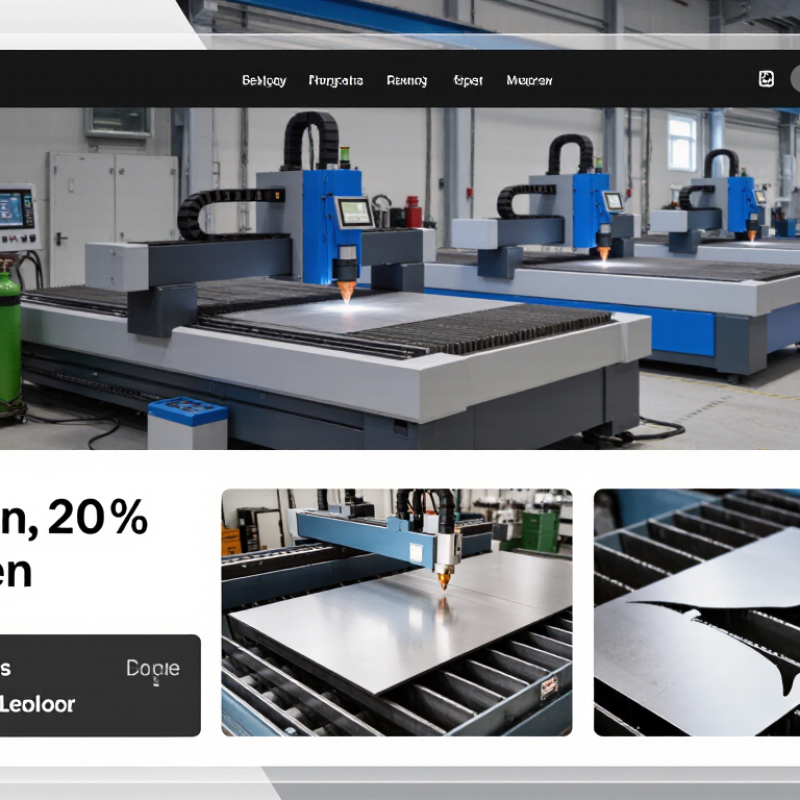
A CNC plasma cutting machine is a computer-guided tool for cutting electrically conductive metal. It combines a plasma torch, motion system, controller, and cutting table. The torch creates an extremely hot plasma arc that melts metal along a programmed path. Compressed air or another suitable gas pushes the molten material away. A gantry moves the torch across the sheet with controlled speed and height.
The operator usually imports a CAD drawing, selects the material thickness, and adjusts cutting parameters. During practical testing, I watch the first pierce closely. Pierce height, amperage, air pressure, and travel speed all affect the result. If the torch starts too close, it may damage the nozzle. If movement is too fast, the cut leaves rough, hanging slag. The edge should feel consistent, not heavily ridged.
Small details matter.
When comparing CNC plasma cutting machine manufacturers, I examine more than advertised cutting speed. Reliable manufacturers should provide clear manuals, stable control software, replaceable torch parts, and responsive technical support. I also ask about table rigidity, motor accuracy, dust extraction, and operator training. A low purchase price can become expensive when troubleshooting takes days. I once underestimated maintenance access, and a simple torch replacement took longer than expected. That mistake changed how I evaluate machine design. Performance depends on the machine, the material, and the person operating it.
It uses compressed gas and electrical energy. An electric arc ionizes the gas into plasma. The plasma can exceed 20,000°C. A high-speed jet melts metal and clears the kerf.
It cuts conductive metals, including carbon steel, stainless steel, and aluminum. Performance depends on thickness, amperage, gas pressure, and machine capacity. Always verify the rated range.
Incorrect speed, amperage, gas pressure, or cutting height can create dross. Contaminated air can also weaken the arc. The machine may not be the real problem.
The controller converts digital drawings into coordinated torch movements. Motors guide the torch across the sheet. Height sensors help maintain a stable torch distance.
Check frame rigidity, motion systems, control software, and torch height control. Ask for test cuts on your own material. A 6 mm steel sample reveals useful details.
Inspect pierce quality, hole shape, edge squareness, kerf consistency, and dross. View finished holes under bright light. One imperfect cut may reflect setup errors.
Confirm training, warranty coverage, spare-part availability, and technical response times. Ask whether local technicians are available. Remote support helps, but it cannot solve every difficult fault.
Inspect nozzle wear, arc stability, grounding, and air filtration regularly. Keep drawings accurate. Small maintenance failures can quietly damage edge quality.
No. Speed alone says little about repeatability or edge quality. Documented testing matters more. Attractive specifications can feel less convincing during repetitive production.
Compare test records, consumable costs, software stability, operator feedback, and support terms. Speak with users handling similar plate thicknesses. I would not rely on showroom appearance alone.
A CNC Plasma Cutting Machine is an automated system that uses a high-temperature plasma arc to cut electrically conductive materials with speed and precision. Guided by computer-controlled instructions, it can create straight cuts, curves, holes, and detailed shapes with consistent results. Understanding its operating process helps users evaluate cutting speed, accuracy, material compatibility, power requirements, software integration, and maintenance needs.
When comparing manufacturers, buyers should consider machine construction, control-system reliability, customization options, technical support, training, warranty coverage, spare-parts availability, and overall operating costs. The right manufacturer should provide equipment that matches the required material thickness, production volume, workspace, and cutting quality. By carefully reviewing specifications, service capabilities, safety features, and long-term value, businesses can select a dependable CNC Plasma Cutting Machine that improves productivity while supporting efficient and consistent fabrication.