Structural Steelwork Processing connects engineering drawings with steel components ready for assembly. It can include plate cutting, beam drilling, welding, machining, surface treatment, and dimensional checks. A supplier’s ability to coordinate these steps matters. So do accurate records, clear communication, and dependable delivery.
This guide introduces ten suppliers operating across different regions and market segments. It considers practical factors such as facility capacity, processing methods, quality controls, project experience, and support for complex specifications. These details help buyers compare companies more fairly than promotional claims alone. A large production line is useful. It is not everything. The right partner depends on the project’s materials, tolerances, volumes, schedule, and location.
Supplier information can change, and capabilities vary between facilities. Buyers should verify current certifications, equipment, references, and inspection procedures directly before making a decision. A polished website cannot confirm how a team handles a late drawing revision or a tight fit-up tolerance. Those small details matter. This overview is a starting point, not a substitute for technical due diligence. It also leaves room for judgment: a supplier strong in heavy fabrication may not suit a project needing fast, repeatable processing of smaller components. Comparing the work itself, rather than relying only on company size or reputation, leads to a more grounded shortlist.
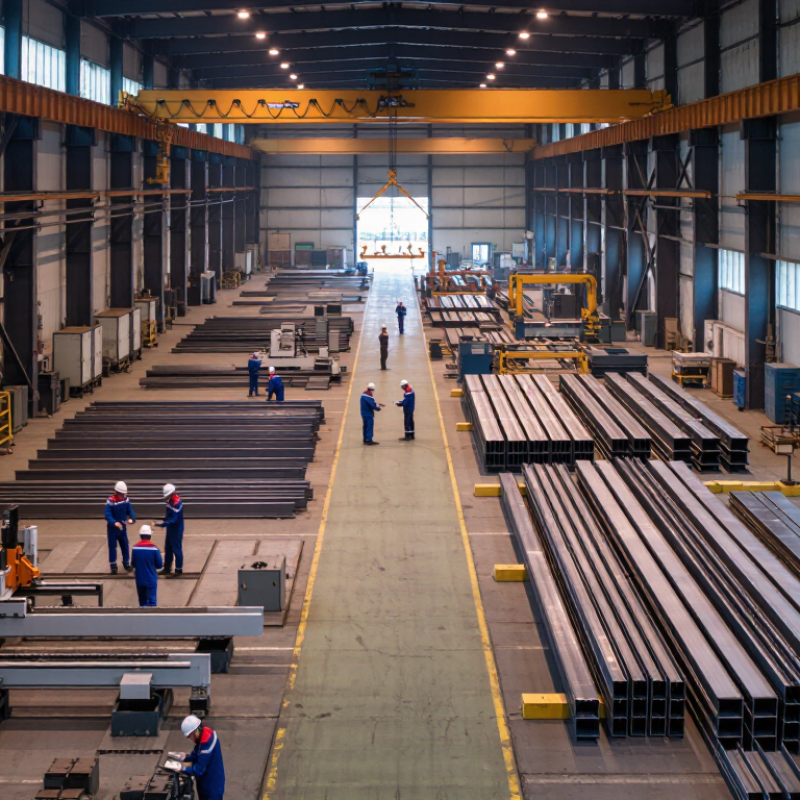
Structural Steelwork Processing: Scope, Services, and Applications
Structural steelwork processing converts engineering drawings into load-bearing components for buildings, bridges, industrial facilities, and renewable-energy projects. Typical services include plate and section cutting, drilling, machining, welding, trial assembly, surface preparation, and protective coating. Suppliers may also coordinate material certificates, dimensional checks, and weld inspection, helping ensure that beams and connections arrive ready for erection. Small errors travel. A misplaced bolt hole can slow an entire site crew.
The scale is substantial: the World Steel Association’s October 2024 Short Range Outlook projected global steel demand at 1.75 billion tonnes for 2024. For project teams, that scale makes process control and traceability important, not optional extras. Capabilities vary, though. Some processors focus on heavy plate; others specialize in complex, tightly toleranced assemblies. A drawing can still miss practical handling constraints, so early coordination between designers, fabricators, and erectors can prevent costly rework. Details matter.
Tips: Ask suppliers how they control cutting tolerances, weld quality, coating thickness, and component identification. Confirm transport limits and trial-fit requirements before production begins. Request inspection records tied to each piece mark, not just a general quality statement. Then compare bids by scope, exclusions, and delivery sequence—not price alone.
Criteria for Evaluating Suppliers Worldwide
Supplier evaluation should begin with evidence, not a polished capacity statement. The World Steel Association’s World Steel in Figures 2024 reports 1,892.2 million tonnes of crude steel production worldwide in 2023. That scale makes production claims easy to advertise. Ask for recent output records, shop capacity, delivery performance, and traceability from heat number to finished member. Check welding qualifications, inspection plans, dimensional tolerances, and coating records against the project specification. Request sample inspection reports, too. Details matter.
Logistics and environmental data deserve equal scrutiny. The IEA’s Iron and Steel Technology Roadmap (2020) estimates that steel production generates about 2.6 gigatonnes of direct CO2 emissions annually, roughly 7% of energy-system emissions. Ask suppliers for product-specific environmental declarations, with clear system boundaries and recycled-content data. Compare like with like. Review packaging, shipping routes, and contingency plans for port or transport delays. A low quoted price can shift risk into rework or late delivery. No scorecard is perfect. A supplier may have strong certificates yet weak communication during a real project; check references and response times, not documents alone.
Top 10 Structural Steelwork Supplier Evaluation Criteria
Illustrative buyer-priority ratings on a 1–5 scale, not measured performance data for suppliers. Verify requirements against the project and local regulations; relevant evidence may include ISO 9001, ISO 3834, EN 1090, ISO 45001, and ISO 14001 certifications.
Regional Landscape of Structural Steelwork Processing
Structural steelwork processing varies with local construction demand, labor skills, transport networks, and access to steel. In Asia-Pacific, large industrial centers can support high-volume cutting, drilling, and fabrication. Capacity is not uniform, however; delivery schedules and inspection practices can differ between facilities. A busy workshop is not automatically a dependable one.
Across Europe, established engineering practices and detailed project documentation often support work with tight tolerances. North American processors commonly serve commercial, infrastructure, and retrofit projects, where coordination with site teams matters. In parts of the Middle East, demand for major developments can encourage investment in larger fabrication capacity. African and South American markets are more varied, with logistics and local supply availability strongly affecting project choices. These are broad patterns, not rules. Regional labels hide real differences.
For a fair comparison, examine recent project records, documented inspection procedures, weld qualifications, and material traceability. Ask how finished sections are protected and moved; a scratched coating or delayed load can disrupt site work. A sample assembly can reveal fit-up issues before full production. This takes time. I would also be cautious about comparing output figures without knowing whether they include subcontracted work. Public data is uneven, so regional rankings can look more certain than they are.
Profiles of Ten Leading Global Suppliers
Global structural-steel suppliers are not interchangeable. Their strengths often reflect the work they handle every day. An integrated fabricator can coordinate detailing, cutting, welding, and finishing under one roof. Bridge specialists focus on long spans, heavy plate, and precise site connections. Industrial-plant fabricators build frames and supports around demanding equipment layouts. Marine and offshore suppliers work with large sections and protective coatings. Modular-construction producers make repeatable assemblies that can be lifted and installed quickly.
Other profiles serve different needs. Precision workshops produce smaller, tightly toleranced components. High-volume building suppliers prioritize repeatable beams, columns, and connection details. Coating-focused firms help protect steel exposed to moisture or harsh environments. Engineering-led suppliers combine fabrication with drawing review and constructability advice. Regional suppliers often compete through shorter delivery routes and familiarity with local transport constraints. These categories are useful, but not absolute; one facility may fit several profiles.
A careful comparison starts with evidence, not impressive capacity claims. Buyers can review sample inspection records, weld documentation, dimensional reports, and material traceability. A clean shop floor matters, but so does how clearly problems are reported. Ask how the supplier handles design changes, delayed materials, and rejected pieces. Delivery planning deserves equal attention: a finished beam that cannot pass the route is still a problem. Certifications help, but they do not replace project-specific checks. That point is easy to overlook.
Industry Trends Influencing Supplier Capabilities
Structural steelwork suppliers are being judged on more than cutting and welding capacity. Digital design coordination now shapes how quickly a shop can turn approved drawings into production plans. A model that catches a beam clash early can prevent a costly pause on the fabrication floor. Small errors still slip through, especially when drawings change late.
Automation is also changing supplier capabilities. CNC drilling lines and robotic welding can improve repeatability, but they need consistent inputs and skilled operators. Machines do not resolve unclear specifications. Reliable material traceability matters too: heat numbers and inspection records should follow steel from receipt through dispatch. That takes disciplined data handling, not just software.
Customers increasingly ask about lower-carbon materials, energy use, and waste. Suppliers may respond with nesting software, efficient equipment, and clearer sourcing records. The trade-offs are real. New systems require training, and not every upgrade pays off for every shop. Skilled workers remain essential for fit-up, complex joints, and quality checks. A supplier’s actual capacity can be harder to assess than its equipment list suggests. Ask how it manages revisions, inspection hold points, and peak workloads. Those details reveal where capability meets day-to-day practice.
Conclusion
Structural Steelwork Processing covers the transformation of steel into components and assemblies used in buildings, bridges, industrial facilities, and other infrastructure. Services may include cutting, drilling, welding, forming, surface treatment, and quality inspection. When evaluating suppliers worldwide, buyers can consider technical expertise, production capacity, quality management, safety practices, delivery reliability, customization, and the ability to coordinate complex projects.
Supplier capabilities vary across regions due to differences in industrial infrastructure, workforce skills, logistics, and market demand. The ten leading suppliers in this overview are considered through these practical factors rather than brand recognition, highlighting the range of services and applications available globally. Emerging trends, including automation, digital project coordination, more efficient material use, and sustainability goals, are also reshaping the industry. Together, these developments influence how suppliers manage precision, timelines, costs, and changing project requirements.