Engineered for precise edge preparation, thermal plate cutting, and seamless integration into heavy structural metal fabrication lines.
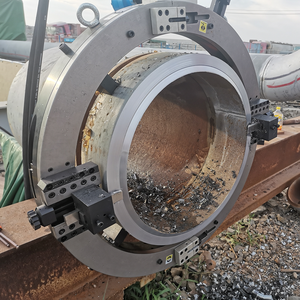
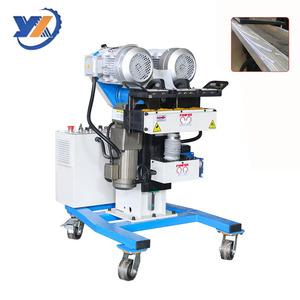
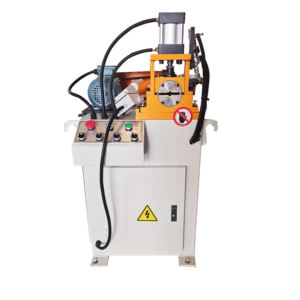
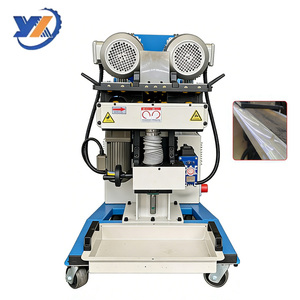
In modern industrial metal fabrication, navigating the procurement landscape for high-capacity thermal cutting machinery requires an analytical perspective that extends far beyond baseline machinery price quotes. The phrase CE Certified Laser Cutter Factories & Supplier represents a complex regulatory, mechanical, and safety framework mandated across the European Economic Area (EEA) and increasingly adopted by global EPC (Engineering, Procurement, and Construction) contractors as an absolute quality threshold.
This technical whitepaper provides actionable information gain for procurement managers, structural engineers, and operations directors. It dissects the mechanical engineering, optical calibration, hazard mitigation, and operational parameters necessary to qualify tier-1 manufacturing facilities. CE conformity is not merely a stamped certificate; it is an auditable engineering standard comprising three core European Directives:
When sourcing industrial cutting systems—whether compact fiber lasers, heavy-duty CNC plasma gantries, or portable split-frame pipe bevelers—evaluating supplier capability against these rigorous safety and operational benchmarks guarantees long-term plant uptime, worker safety, and precise edge tolerance compliance (ISO 9013).
Rooted in over 35 years of continuous research, localized manufacturing, and strategic OEM technical partnerships.
Founded by graduate engineers from prestigious university research programs in Nottingham, UK, our manufacturing principles prioritize structural rigidity, mechanical stability, and decades-long duty cycles under continuous factory workloads.
From heavy stress-relieved steel gantry machining and robot welding to electrical panel assembly and CNC software code development, every system undergoes complete production control within a single factory location.
As a certified OEM integration partner for Hypertherm XPR and MAXPRO cutting power sources, our machines combine proprietary gas console calibration, automatic height control, and deep cut-chart synchronization for pristine bevel edges.
With an active machine footprint spanning over thirty nations across Europe, the Americas, Asia-Pacific, and Australasia, our international field engineering and remote CNC diagnostic networks ensure zero-lag technical support.
We do not rely on third-party contractor networks. Maintenance, commission auditing, laser optical calibration, and post-installation operator training are executed strictly by employed, factory-certified service technicians.
Environmental responsibility is engineered directly into our tables. Zoned downdraft extraction channels air volume specifically beneath the cutting head, optimizing industrial dust collector efficiency and satisfying stringent OS&H clean-air regulations.
Selecting the optimal thermal or mechanical cutting method depends strictly on raw material metallurgical composition, sheet thickness, target edge angularity, and production volume goals. Below is an engineering comparison of the primary industrial cutting processes utilized across CE-compliant workshops:
| Thermal / Mechanical Process | Optimal Thickness Range | Edge Quality & ISO 9013 Range | Heat Affected Zone (HAZ) | Typical Application Fit | Relative Operating TCO |
|---|---|---|---|---|---|
| Fiber Laser (High Precision) | 0.5 mm – 25 mm | Range 1 – Range 2 (Near Zero Bevel) | Minimal (< 0.1 mm) | Thin to mid-gauge sheet metal, enclosures, intricate aerospace/automotive brackets. | Low on thin sheet; higher capital cost. |
| High-Definition Plasma (HD) | 3 mm – 80 mm | Range 2 – Range 3 (< 2° Bevel) | Moderate (0.3 mm - 0.8 mm) | Structural steel beams, wear plates, heavy machinery frames, vessel fabrications. | Lowest cost-per-meter on mid plate. |
| Oxy-Fuel Flame Cutting | 25 mm – 300+ mm | Range 3 – Range 4 (Perpendicular) | Extensive (1.5 mm - 3.0 mm) | Ultra-thick carbon steel plates, multi-torch batch profiling, heavy forging crop. | Lowest equipment cost; gas intensive. |
| Mechanical Milling & Beveling | 3 mm – 50 mm (Bevel Width) | Machined Finish (Ra 3.2 - 6.3) | Zero Thermal Distortion (Cold) | Weld seam preparation (V/K/X-prep), field pipe line fitting, pressure vessel edges. | Extremely low; consumable tool bits. |
The global metal processing sector is undergoing a rapid transition toward intelligent automation, digital traceability, and stringent environmental sustainability. Forward-thinking procurement officers must align equipment acquisitions with four key technological trends currently reshaping laser cutting and edge beveling production lines:
Traditional two-dimensional profile cutting requires secondary grinding or dedicated beveling operations before structural welding can occur. Future-ready factories are migrating directly to 5-axis interpolating bevel heads (capable of V, Y, X, and K-joint geometry) mounted on fiber laser and high-definition plasma tables. Concurrently, portable mechanical walking milling machines and split-frame pipe clamshells are automated to deliver cold, weld-ready edges directly at the point of assembly, drastically cutting labor hours per fabricated ton.
Modern CE-certified cutting systems are no longer isolated work centers. Advanced EtherCAT-based CNC controllers feature real-time telemetry streaming that monitors laser resonator diode voltage, focus optical cleanliness, gas pressure stability, and motor drive torque. Intelligent algorithms analyze machine telemetry to predict consumable breakdown before cut degradation occurs, eliminating catastrophic downtime and facilitating scheduled preventative maintenance.
The continuous scaling of fiber laser power—stepping from 6kW and 12kW up to 30kW and 60kW resonators—has altered the boundary where fiber laser replaces plasma. Concurrently, factories are adopting high-pressure ultra-high-purity nitrogen generation plants and air-assist cutting systems. This shift eliminates high liquid gas consumable costs, permitting ultra-fast processing of medium-thickness carbon steel with zero oxide layer formation.
Regulatory bodies worldwide are imposing strict airborne particulates limits for metallic dust, manganese fumes, and hexavalent chromium generated during stainless steel thermal cutting. Procurement strategies now prioritize fully closed-loop extraction systems. Premium cutting tables feature multi-zone pneumatic downdraft dampers integrated with self-cleaning cartridge filters to ensure exhaust air clean-room recirculation levels compliant with ISO 14001 guidelines.
A machine's long-term capability to maintain ISO 9013 Class 1 precision relies entirely on structural engineering fundamentals. Inferior laser cutters often exhibit linear axis deflection, rack wear, and thermal gantry expansion after short operational periods. Superior factory construction utilizes distinct mechanical safeguards:
High-tier machinery structures undergo thermal stress-relieving heat treatment cycles in specialized furnaces to eliminate internal weld stress prior to precision milling. This guarantees that machine beds remain dimensionally stable over decades of severe mechanical loading and high-g axis accelerations.
By eliminating belt stretch and backlash inherent in low-cost transmissions, dual-drive gantry motion utilizing precision-ground helical gear racks paired with high-resolution absolute encoders ensures sub-millimeter positioning accuracy even at traverse speeds exceeding 100 meters per minute.
During plasma or laser cutting, intense localized heat input can induce sheet warp. Advanced voltage-sensing THC systems sample torch-to-plate distances thousands of times per second, maintaining micro-step height precision while magnetic break-away breakaway mounts prevent head damage in the event of part tipping.
Detailed answers addressing engineering compliance, export logistics, machine sizing, and operational parameters.
Authentic CE compliance requires full technical file documentation, including third-party test reports for Machinery Directive 2006/42/EC, EMC testing under 2014/30/EU by an accredited Notified Body, and Laser Safety Classification under EN 60825-1. Prior to issuing purchase orders, request the complete Declaration of Conformity (DoC), inspect the machine's serialized nameplate for legitimate CE mark formatting, and verify that safety interlocks (such as light curtains, enclosure door interlocks, and dual-circuit safety relays) are explicitly documented in the schematic manuals.
The optimal selection depends on your part mix spectrum. For high-speed production of sheet metal under 20 mm with intricate hole geometries, Fiber Laser provides the lowest part cost and finest edge finish. If your production involves structural steel plate from 6 mm to 80 mm, High-Definition Plasma (such as Hypertherm XPR systems) offers the best balance of capital cost, high speed, and minimal bevel angle. For heavy weld preparation on pipes or thick plates where heat input must be completely eliminated to prevent micro-cracking, mechanical walking beveling or split-frame clamshell tools are required.
Tier-1 manufacturers support global installations through a multi-tiered system: real-time CNC remote diagnostics via secure VPN connection for software and parameters; direct video-assisted troubleshooting with factory-employed service engineers; and local stock holding of critical consumables (nozzles, optical lenses, electrodes, drive components) dispatched overnight from centralized logistics hubs in the UK, Europe, and regional centers.
Industrial laser cutters typically require a stable 380V/480V 3-phase electrical supply equipped with dedicated isolation transformers and voltage regulators to protect sensitive optical power supplies. For auxiliary cutting gases, high-pressure Oxygen (typically 0.5-6 bar for mild steel) and high-pressure Nitrogen (15-30 bar for clean-edge stainless steel and aluminum) or high-volume filtered compressed air plants (minimum 15-20 bar oil-free Class 1:4:1 according to ISO 8573-1) must be engineered alongside the main cutting unit.
Yes. CE compliance under workplace health and safety directives mandates effective control of hazardous substances. Cutting tables must be equipped with segmented downdraft zones that activate pneumatically directly beneath the cutting head. This captured particulate air must be processed through an industrial cartridge filtration system featuring flame-retardant filter media and automatic reverse-jet pulse cleaning before air is vented or recirculated within the facility.
With correct gas purity and automatic torch height calibration, modern Hypertherm XPR plasma consumables achieve up to 1,400 to 2,000 pierces per set before edge bevel degradation occurs. For fiber laser systems, protective cover slides typically last several hundred cutting hours depending on air cleanliness and pierce splash protection, while high-power laser resonator modules operate reliably for 100,000 hours before diode degradation requires routine maintenance.
Connect directly with senior technical application engineers to benchmark your CAD drawings, schedule cut-time trials, or request a complete CE compliance technical audit for your upcoming machinery procurement.