Precision-engineered machinery for heavy steel plate processing, tube chamfering, and automated edge preparation.
A comprehensive analysis of thermal cutting dynamics, pre-weld edge preparation, and procurement economics for global fabricators.
In the modern heavy steel manufacturing sector, selecting the ideal thermal profile cutting and edge-beveling machinery is a critical determinant of operational margin, weld integrity, and throughput velocity. As structural engineering standards—such as AWS D1.1, EN ISO 9013, and ASME Section VIII—enforce increasingly stringent tolerances on weld seam preparation, global procurement directors must evaluate thermal cutting equipment through the combined lenses of thermochemical process physics, total cost of ownership (TCO), and automated multi-process integration.
China has firmly established itself as the global epicenter for industrial machine tool manufacturing, offering advanced CNC oxy-fuel flame cutters, high-definition plasma cutting gantries, and automated plate/pipe beveling equipment. However, navigating the landscape of Chinese suppliers requires a deep understanding of structural gantry rigidity, drive kinematics, gas control automation, and compliance with international electrical and mechanical safety frameworks.
Oxy-fuel flame cutting relies on the exothermic reaction between high-purity oxygen and preheated mild steel above 870°C. Our machines optimize gas delivery to minimize kerf drag lines and eliminate bottom dross on plates up to 300mm thick.
Stress-relieved box gantries, dual-side AC servo drives, and precision ground helical gear racks prevent mechanical resonance, delivering square cut faces and ISO 9013 Class 2 edge angularity across long production shifts.
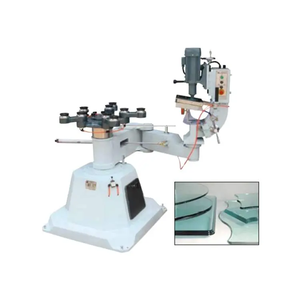
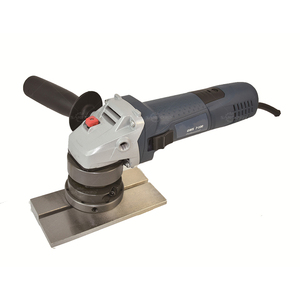
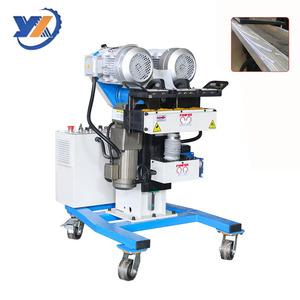
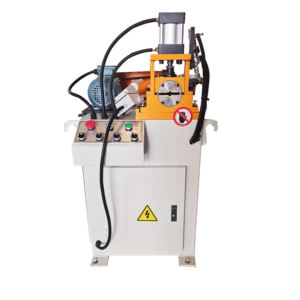
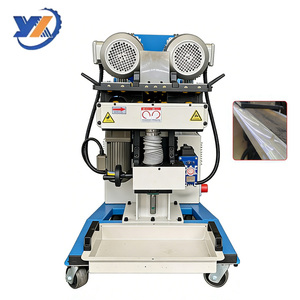
Eliminate costly secondary grinding. Integrated rotary plasma bevel heads and automatic walking milling machines produce V, K, X, and Y weld preparations with flawless edge finish and controllable land width.
To assist application engineers in selecting the correct process for their specific material thickness and production volumes, the engineering matrix below details operational benchmarks across key industrial parameters:
| Thermal Process | Optimal Thickness | Cutting Speed (12mm Steel) | ISO 9013 Cut Quality | Relative CAPEX | Primary Edge Application |
|---|---|---|---|---|---|
| Oxy-Fuel Flame Cutting | 25mm to 300mm+ | 350 - 500 mm/min | Range 3 to 4 (Good) | Lowest | Heavy plate structural, multi-torch batching, thick carbon steel profiling |
| High-Definition Plasma | 3mm to 50mm | 1,800 - 3,200 mm/min | Range 2 to 3 (Excellent) | Moderate | High-speed sheet metal, stainless steel, non-ferrous, tight hole quality |
| CNC Fiber Laser | 0.5mm to 25mm | 4,500 - 9,000+ mm/min | Range 1 to 2 (Highest) | High | Thin gauge sheet metal, precision brackets, zero-taper fine geometries |
| Cold Milling / Beveling | 6mm to 60mm Edge | 500 - 1,500 mm/min | Machined Finish (Ra 3.2) | Moderate | Weld preparation (V/K/X bevels) without heat-affected zone (HAZ) |
The global steel fabrication market is undergoing a rapid transition toward digital automation, energy conservation, and multi-process hybrid machinery. Sourcing leaders must align their capital equipment investments with several emerging industry dynamics:
Manual gas pressure regulation is rapidly being phased out in favor of CNC-controlled automatic gas consoles. These systems dynamically adjust preheat oxygen, cutting oxygen, and fuel gas (Propane, Acetylene, or Natural Gas) ratios based on real-time thickness look-up tables. Combined with automatic capacitive height control (IHC) and multi-head gantry configurations, fabricators achieve up to 300% higher linear output while drastically reducing gas consumption and nozzle tip fouling.
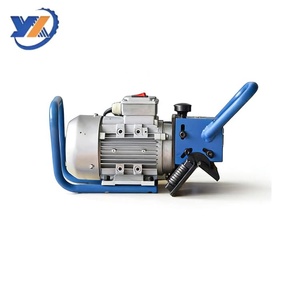
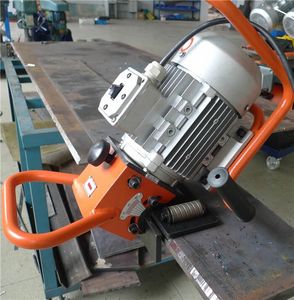
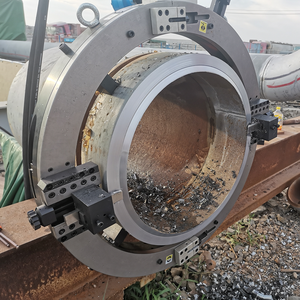
While thermal cutting provides fast profiling, welding codes for pressure vessels, wind turbine towers, and naval architecture forbid thermal cut edges without removing the Heat-Affected Zone (HAZ). Modern production lines integrate self-propelled automatic metal plate milling machines and split-frame pipe clamshell bevelers. These tools utilize carbide insert cutter heads to perform cold beveling, achieving clean metal surfaces ready for immediate robotic welding without metallurgical micro-cracking.
Top-tier Chinese CNC flame cutter exporters now supply machine control systems equipped with cloud-based IoT telemetry. Real-time tracking of pierce cycles, gas pressure drops, speed overrides, and consumable wear allows plant managers to monitor overall equipment effectiveness (OEE). Integrated CAD/CAM nesting algorithms further minimize plate scrap rates to below 8%, optimizing raw material utilization in high-volume steel service centers.
Workplace exposure standards for metallic cutting fumes (hexavalent chromium, manganese, oxide particulates) have become strictly enforced globally. State-of-the-art CNC cutting tables feature segmented, pneumatic zoned downdraft extraction chambers that open only directly beneath the active cutting torch carriage. Sizing these tables with matching cartridge pulse-jet fume filtration systems ensures compliance with OSHA and EU workplace environment directives.
As a premier Chinese exporter and engineering partner for global metal fabricators, our operations are grounded in absolute quality control, transparent engineering, and lifetime customer support:
Clear, engineering-backed answers to the most common questions asked by international buyers and plant engineers.