Explore our industrial-grade catalog of custom plate, pipe, and structural beveling machinery built for demanding fabrication environments.
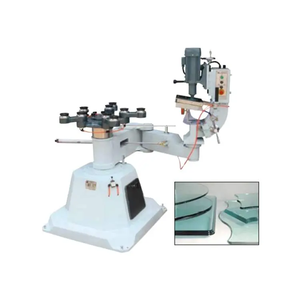
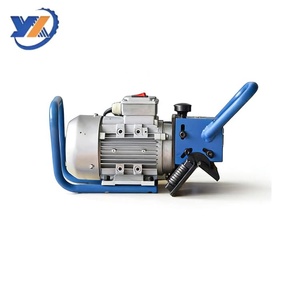
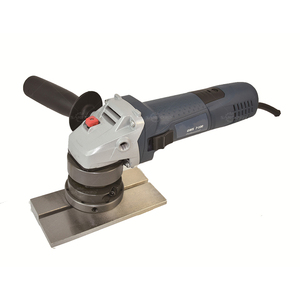
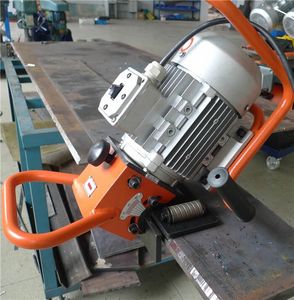
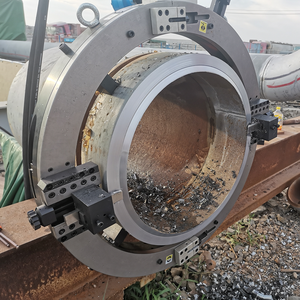
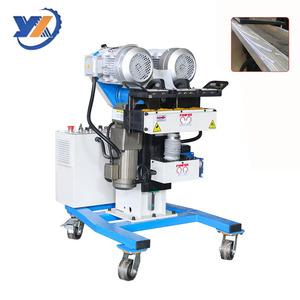
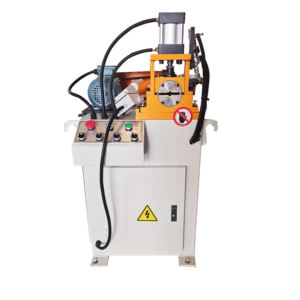
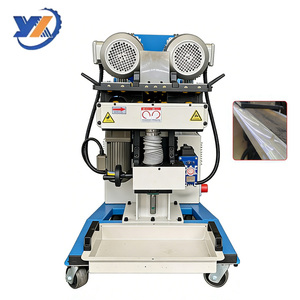
In modern industrial metal fabrication, the integrity of a welded joint is directly proportional to the quality of the edge preparation. Sourcing managers and structural engineers evaluating Custom OEM Beveling Machine Factories & Suppliers must look beyond superficial purchase prices and analyze total operational yield, metallurgical transformation, and compliance with structural welding standards such as AWS D1.1 and ISO 9692.
Thermal beveling methods—including conventional oxy-fuel, plasma, and high-power laser cutting—introduce intense localized thermal energy. This thermal input inevitably generates a Heat-Affected Zone (HAZ) along the plate margin. Within the HAZ, carbon and alloy steels undergo microstructural degradation, martensitic grain coarsening, and localized hardening. Micro-cracking within thermal HAZ margins frequently causes catastrophic weld failure during ultrasonic non-destructive testing (NDT) in high-pressure piping, naval shipbuilding, and offshore structural platforms.
Conversely, cold mechanical beveling—utilized by advanced automated walking bevelers, CNC tube chamfering systems, and pneumatic split-frame clamshell tools—mechanically shears or mills the metal without microstructural thermal transformation. Cold beveling preserves the parent metal's ductility, eliminates oxide scale formation, and produces a mirror-like finish (Ra 3.2 to Ra 6.3 µm) immediately ready for robotic submerged arc welding (SAW) or manual TIG/MIG welding without secondary grinding.
Comparative engineering data evaluating cold milling against thermal edge preparation across key industrial parameters.
| Performance Metric | Automatic Mechanical Milling | Split-Frame Clamshell (Cold) | High-Definition Plasma Beveling | Oxy-Fuel Thermal Beveling |
|---|---|---|---|---|
| Metallurgical Integrity | Zero HAZ; Parent metal intact | Zero HAZ; Cold machining | Moderate HAZ depth (0.5 - 1.5mm) | Severe HAZ depth (>2.5mm) |
| Surface Roughness (Ra) | Ra 3.2 – 6.3 µm (Mirror Finish) | Ra 1.6 – 3.2 µm (High Precision) | Ra 12.5 – 25 µm (Rough Edge) | Ra 25 – 50 µm (Heavy Slag/Scale) |
| Bevel Angle Accuracy | ±0.25° Stepless Angle Control | ±0.1° Fixed / Adjustable Radial | ±1.0° Dynamic Compensation | ±2.0° Thermal Drift Prone |
| Operational Running Cost | Lowest (Carbide Insert Re-indexing) | Low (Tool Bit Resharpening) | High (Gas & Consumable Wear) | Moderate (Gas & Secondary Grinding) |
| Weld Root Land Control | Absolute Precision (±0.05mm) | Absolute Precision (±0.05mm) | Variable (±0.5mm) | Poor (±1.0mm Minimum) |
Built upon decades of mechanical engineering rigor, our direct-factory custom manufacturing delivers tailored beveling automation for unique material chemistries and spatial constraints.
We configure custom heavy-duty planetary gearboxes, high-torque pneumatic air motors, hydraulic power units, or 380V/480V electric drives tailored to your facility's local voltage grid and continuous duty cycles.
From custom K, V, X, and J-bevel profile angles to specialized radius chamfering cutter heads for high-speed deburring, our toolroom engineers design high-hardness tungsten carbide milling inserts for exotic alloys (Duplex, Inconel, Titanium).
Every custom OEM machine manufactured at our direct partner facilities undergoes rigorous full-load cut testing, frame alignment verification, electrical safety validation, and pre-dispatch NDT surface inspection under strict ISO 9001 guidelines.
Supported by factory-employed technicians and global dispatch centers, we ensure full lifecycle reliability, rapid replacement component availability, and remote engineering troubleshooting across more than 30 nations.
As global fabrication shops transition toward Industry 4.0 smart factory standards, the procurement criteria for industrial bevelers are evolving rapidly. Machine procurement managers must align their capital expenditure (CapEx) with the following technology trajectories:
Modern high-yield steel plates frequently exhibit thickness tolerances and waviness across long spans. Next-generation automatic walking beveling machines are increasingly equipped with integrated optical laser profile sensors. These sensors feed continuous surface topology data to the drive unit, dynamically adjusting milling head depth in real-time to preserve absolute root face uniformity across 12-meter plate lengths.
High-volume tube and plate processing centers are replacing standalone manual operation with fully automated chamfering stations. Modern OEM beveling machines now feature standardized IO-Link and Profinet interfaces, allowing central PLC systems to command clamping pressures, feed rates, automatically rotate pipes, and trigger pneumatic ejectors without human intervention.
With environmental, social, and governance (ESG) mandates tightening across EU, UK, and US manufacturing sectors, cold mechanical beveling eliminating toxic airborne metal fumes, oil mists, and combustion carbon emissions is becoming a baseline compliance requirement. Closed-loop chip collection systems installed on modern bevelers ensure 99% recyclable scrap metal recovery.
Direct engineering answers addressing critical evaluation factors for OEM sourcing, metallurgical compatibility, and operational ROI.
Consult directly with our senior mechanical applications team to select, customize, or engineer the perfect beveling machinery system for your exact production specifications and material grades.