In modern heavy manufacturing—ranging from shipbuilding, pressure vessel fabrication, and offshore wind turbine construction to high-speed rail engineering—metal edge preparation is the single most critical determinative factor for structural joint integrity. Historically, conventional thermal cutting and manual grinding dominated shop floors, but these methods introduced severe thermal distortion, micro-cracking in the Heat-Affected Zone (HAZ), and inconsistent bevel geometry that compromised automated robotic welding systems. As a leading primary manufacturer and exporter in China's industrial equipment sector, our engineering operations have spearheaded the integration of high-efficiency cold milling, automatic self-propelled beveling, split-frame orbital pipe processing, and high-definition CNC plasma/laser technologies.
This industry report outlines the technical paradigms driving global purchasing trends, metallurgical benchmarks for weld root preparation, and an authoritative showcase of state-of-the-art metal beveling and chamfering equipment engineered for severe-duty industrial applications.
Engineered for high productivity, superior surface finish (Ra 3.2–6.3 µm), and seamless integration into automated welding workflows.
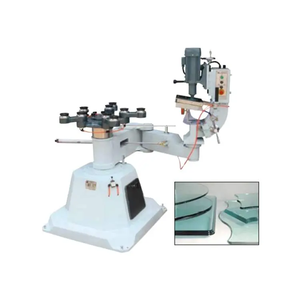
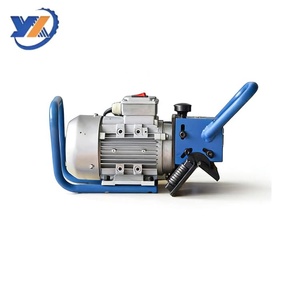
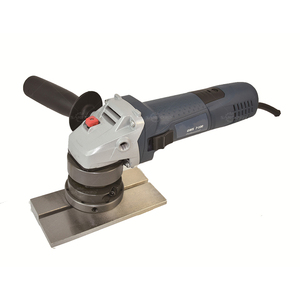
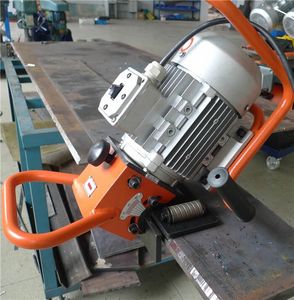
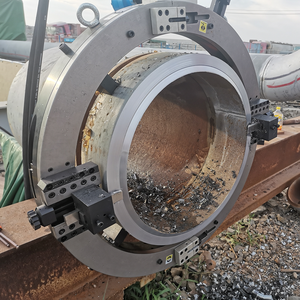
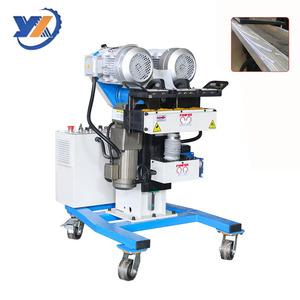
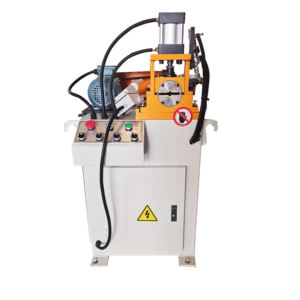
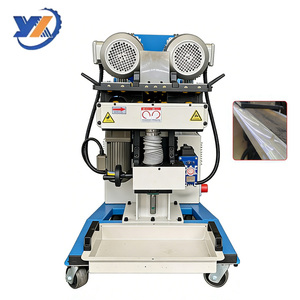
Selecting the optimal metal processing methodology based on metallurgical integrity, bevel geometry, and operating expenditure.
| Process Method | Thickness Range | Heat Affected Zone (HAZ) | Surface Finish (Ra) | Weld Prep Profiles | Operational Efficiency |
|---|---|---|---|---|---|
| Cold Milling Beveling | 6 mm – 80 mm | Zero (No thermal alteration) | 3.2 – 6.3 µm (Mirror smooth) | V, X, K, Y, and Compound J-Bevels | High (No post-grinding required) |
| High-Definition Plasma | 3 mm – 50 mm | Minimal (0.2 mm – 0.5 mm) | 6.3 – 12.5 µm | V-Bevel & Straight Cuts | Very High on complex nests |
| Fiber Laser Cutting | 0.5 mm – 25 mm | Negligible (< 0.1 mm) | 1.6 – 3.2 µm | Straight & Micro-Bevel | Maximum speed on thin/medium sheet |
| Oxy-Fuel Flame Cutting | 25 mm – 300+ mm | Substantial (1.0 mm – 2.5 mm) | 12.5 – 25 µm (Requires grinding) | Heavy V & Multi-torch beveling | Economical for extreme plate thickness |
| Split-Frame Cold Pipe Cutting | Schedule 40 –XXS Pipes | Zero (Safety certified) | 3.2 – 6.3 µm | Compound J-Prep, Counterboring | Essential for field maintenance & safety |
Direct factory engineering expertise, stringent metallurgic testing, and comprehensive lifetime support.
Every beveling machine frame and CNC cutter gantry undergoes high-frequency vibration stress relief and precision annealing. Our heavy machine beds are milled on 12-meter gantry machining centers to ensure sub-millimeter geometry over decades of continuous operation.
Thermal cutting creates hardened edges that trigger oxide formation and weld porosity. Our self-propelled walking bevelers and shear cutters perform mechanical cold milling, preserving the raw metallurgical grain structure required by nuclear and aerospace standards.
We combine China's advanced manufacturing agility with global top-tier components: SKF bearings, Schneider electricals, Metabo motor drives, and Hypertherm plasma power systems to yield ultra-reliable machinery with low total cost of ownership.
Our heavy sheet milling bevelers (such as the 6.59 kW high-productivity series) automatically track along massive steel plates without overhead crane intervention, reducing operator fatigue and increasing daily output by over 300%.
Exporting to over 80 countries, we maintain an international service architecture. Equipped with IoT-enabled CNC controllers, our engineers provide instant remote diagnostics, video-guided setup assistance, and 24-hour spare part dispatch.
Industrial environmental regulations demand clean work spaces. Every CNC cutting machine and beveler we export features optional targeted dust collection and zoned downdraft extraction channels to ensure full OSHA and CE compliance.
As global EPC (Engineering, Procurement, and Construction) contractors pivot toward higher structural safety margins and stricter carbon footprint accounting, procurement strategies for metal processing equipment are experiencing four fundamental shifts:
Flame gouging and manual carbon-arc gouging produce high environmental emissions and localized micro-fractures. Procurement directives in offshore oil & gas now mandate mechanical cold milling to guarantee micro-structural integrity at sub-zero temperatures.
In-situ pipe maintenance demands modular split-frame machinery capable of mounting around existing pipe runs. Pneumatic and hydraulic OD-mounted split frame cutters are fast replacing cut-off saws due to cold-spark operation in volatile environments.
Robotic welding cells require consistent root face land (+/-0.1 mm) and smooth J-groove profiles to minimize wire fill volume. High-precision chamfering systems allow fabricators to cut weld wire consumption by up to 40% per joint.
Modern heavy machinery relies heavily on wear-resistant and super-duplex stainless steels. Cutter geometry must utilize custom tungsten carbide inserts with specialized PVD coatings engineered specifically to overcome work-hardening properties.
Technical guidance for procurement managers, welding engineers, and plant directors.
Before finalizing your capital equipment order, verify the following core manufacturing criteria:
Consult with our senior applications engineers to review your engineering drawings, select the exact machine configuration, and request a competitive direct-factory quotation.