Engineered to ISO 9001:2015 standards for structural steel fabricators, pipe processing plants, glass manufacturing, and heavy equipment production worldwide.
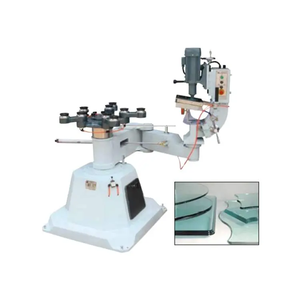
High-precision multi-axis CNC glass edging system engineered for complex curved, round, and oval glass profiles with dynamic edge polishing capabilities.
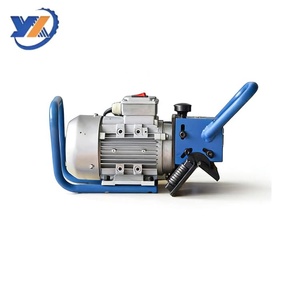
Versatile dual-purpose electric beveling system designed for fast weld preparation on both metal plates and structural pipe profiles.
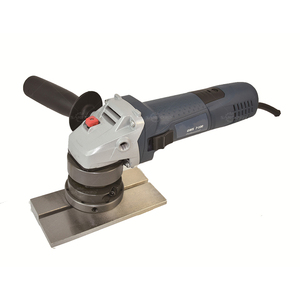
Compact ergonomics combined with high-torque milling heads for rapid on-site chamfering, trimming, and deburring of carbon steel and alloy plates.
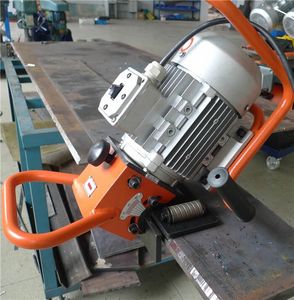
Engineered specifically to prevent heat-affected zone (HAZ) damage on stainless steel sheets while delivering mirror-smooth weld joint bevels.
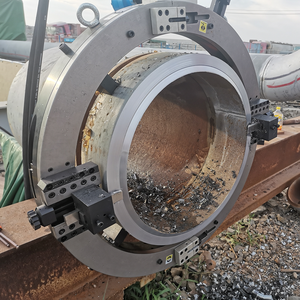
Heavy-duty 22-28 inch OD mounted air-driven cold cutting machine designed for pipeline maintenance, refinery shut-downs, and explosive environments.
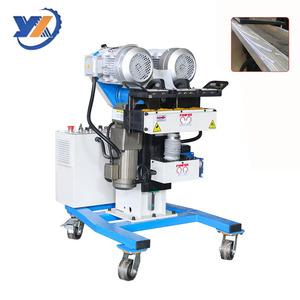
Self-walking 6.59kW high-productivity shear-milling machine equipped with precision heavy-duty gearboxes for continuous edge prep on long steel plates.
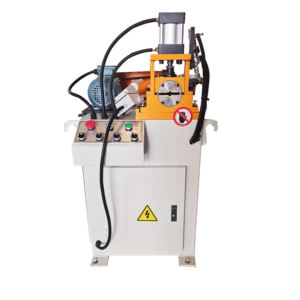
Industrial grade dedicated tube and pipe end-finishing machinery for high-volume carbon steel and stainless tube facing and chamfering operations.
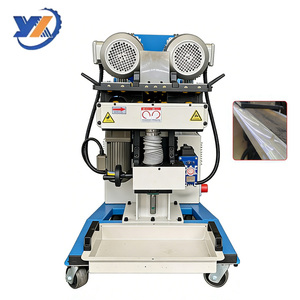
Integrated inline cutting, facing, and beveling workstation designed for continuous pipe mill integration and structural machinery frame preparation.
In modern industrial metal fabrication, achieving optimal throughput while maintaining zero-defect tolerances requires machinery backed by verified mechanical engineering heritage. Founded by elite engineering graduates from the University of Nottingham in 1986, our enterprise has spent over three decades establishing global benchmark standards for automated plate profile cutting, cold milling, fiber laser processing, and weld edge preparation.
Operating from our centralized 50,000 sq. ft. manufacturing facility at Plackett Mill in Nottingham, England, every system—from multi-axis CNC gantry plasma tables to portable pneumatic split-frame pipe cutters—is designed, stress-analyzed, precision-machined, hand-wired, and cut-tested under a single roof. This unified single-site accountability ensures complete quality control across mechanical drive assemblies, electrical control panels, custom post-processor software, and Hypertherm OEM power integrations.
Full mechanical and electrical assembly in Nottingham. Heavy steel gantry structures are stress-relieved and precision-milled in-house to prevent structural deflection over decades of multi-shift operation.
Deep hardware-level integration with Hypertherm XPR and MAXPRO power sources. Custom-tuned cut charts and dynamic gas consoles ensure published precision is replicated in real workshop environments.
Every industrial CNC machine undergoes a rigorous 72-hour continuous movement burn-in and actual material sample cut testing before international export documentation and packaging.
Selecting the appropriate cutting and edge beveling methodology is a critical financial decision impacting consumable lifecycle costs, secondary finishing labor, and downstream welding efficiency. The technical matrix below compares primary industrial thermal and mechanical cutting processes based on actual empirical production data.
| Technology Process | Optimal Material Thickness | Edge Geometry & HAZ Level | Typical Industrial Application | Comparative Operating Cost |
|---|---|---|---|---|
| Fiber Laser CNC | 0.5 mm – 25 mm | Highest edge smoothness; Negligible HAZ | Precision sheet metal, enclosures, stainless steel work | Lowest per part on thin sheet; Higher capital investment |
| High-Definition Plasma (XPR) | 3 mm – 50 mm (80 mm Severance) | ISO 9013 Class 2/3 edge; Minimal bevel offset | Structural steel, heavy equipment frames, wear plates | Lowest total cost per meter across mid-gauge plate |
| Mechanical Auto-Milling / Beveling | 6 mm – 60 mm (Unlimited Track) | Cold machined surface; Zero HAZ; Ready for AWS Weld | Pressure vessel seam prep, shipbuilding, pipeline joints | Eliminates secondary grinding labor entirely |
| Oxy-Fuel Flame Cutting | 25 mm – 300+ mm | Vertical drag lines; Pronounced thermal footprint | Ultra-thick mild steel forging slabs & heavy billets | Lowest capital entry cost for extreme plate thickness |
| Pneumatic Split-Frame Clamshell | Schedule 40 to Extra Heavy Pipe | Cold cut lathe finish; V-Groove & J-Prep profile | Oil & Gas refineries, live pipeline tie-ins, offshore repair | High operational ROI via rapid field setup and explosion safety |
As global manufacturing transitions toward Industry 4.0 standards, industrial buyers must evaluate equipment suppliers not merely on initial purchase price (CAPEX), but on long-term Total Cost of Ownership (TCO), interoperability, software ecosystem integrity, and automated process reliability. Key engineering trends shaping procurement strategies for 2025–2030 include:
Traditional manual angle-grinding of flame-cut edges is rapidly being phased out worldwide due to strict occupational safety regulations (vibration, dust, noise) and high labor costs. Self-walking mechanical beveling machines achieve AWS/ISO compliant weld preparation in a single automated pass without creating a Heat-Affected Zone (HAZ), eliminating structural metallurgy alterations prior to welding.
Modern CNC cutting tables now feature direct OPC-UA connectivity and cloud-based nesting algorithms that boost plate yield by up to 18%. Integrated sensor arrays monitor torch height, consumable wear levels, gas delivery pressures, and linear guide lubrications in real time, alerting maintenance managers before cut degradation occurs.
To reduce floor space footprints, fabricators increasingly specify hybrid gantries combining high-definition plasma torches, secondary multi-torch oxy-fuel heads, and 5-axis interpolating bevel heads. This allows straight profile cutting and complex V, Y, or K-joint bevel preparation on a single cutting bed without secondary material handling.
Environmental compliance is no longer an optional add-on. Modern industrial CNC tables require integrated multi-zone downdraft ducting that opens extraction dampers only directly underneath the active cutting head. This reduces fan power consumption by up to 40% while capturing airborne particulate matter to sub-micron standards.
Direct answers to critical technical and commercial questions regarding machine selection, global service support, and weld preparation parameters.
Mechanical plate beveling machines utilize indexable carbide insert milling heads to shave steel edges without introducing extreme heat. Thermal cutting processes (like oxy-fuel or standard plasma) create a Heat-Affected Zone (HAZ) on stainless steel, altering its metallurgical grain structure, precipitating chromium carbides, and drastically reducing corrosion resistance near the weld seam. Cold mechanical milling leaves a pristine, bright metal edge with zero micro-cracking or thermal distortion, meeting code requirements for pressure vessels, nuclear component fabrication, and sanitary food-grade equipment without post-cut chemical pickling or grinding.
All international machinery shipments are backed by our global service infrastructure. CNC machinery controls are equipped with integrated high-speed Ethernet diagnostic bridges, allowing our Nottingham senior applications engineers to remotely inspect PLC parameters, drive servo telemetry, software post-processors, and torch height controller calibration anywhere in the world. Replacement consumables, mechanical drive components, and indexable carbide tooling are maintained in full stock for dispatch within 24 hours via international air express, supported by localized service engineers and detailed video-guided maintenance documentation.
Our split-frame clamshell machines are available in modular size ranges covering outside diameters (OD) from 2 inches up to 48 inches. The model featured above handles 22-inch to 28-inch (558mm to 711mm) heavy-wall steel pipes. Because the split-frame design hinges open to clamp directly around mounted in-line pipe runs, it requires minimal radial clearance in tight trenches or refinery racks. Pneumatic motors drive continuous 360-degree tool slides capable of performing simultaneous cold severing and outer/inner beveling on wall thicknesses exceeding Schedule 160 steel.
The decision hinges primarily on material thickness mix and capital budget. Fiber laser delivers unbeatable cut speeds and narrow kerf widths on sheet metal under 12mm thick, with superior hole roundness on small diameters. However, as plate thickness exceeds 20mm, fiber laser capital equipment and assist gas costs rise sharply. High-Definition Plasma (such as Hypertherm XPR systems) provides an optimal cost-per-cut sweet spot for structural plate from 6mm to 50mm, cutting mild steel, stainless, and aluminum at high speed with low consumable wear and a purchase price significantly lower than high-wattage fiber lasers. We offer custom cycle-time and consumable cost benchmarking using your actual CAD drawings prior to purchase.
Yes. Every cutting table we manufacture features a heavy-duty zoned downdraft bed design. Pneumatic dampers isolate airflow to only the specific section of the table where cutting is actively occurring, concentrating suction pressure directly under the plasma arc or flame torch. We size and supply matching heavy-duty industrial cartridge fume filtration units equipped with automatic reverse-pulse compressed air cleaning, ensuring compliance with OSHA, UK HSE, and European workplace air quality standards from the moment of installation.
Whether you require a custom high-definition CNC plasma cutting bed, an auto-walking sheet beveling machine, or portable split-frame pipe cutters, our applications team provides complete CAD sample cutting, cycle-time studies, and factory visits.