Designed for seamless integration into automation cells, CNC gantry machines, and heavy structural profiling tables operating across the Greater Toronto Area (GTA).
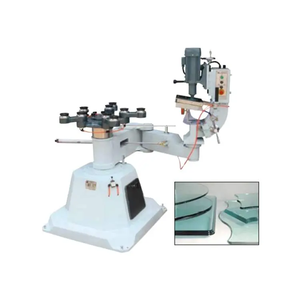
High-precision optical edge processing engine designed for architectural glass, touch display substrates, and automotive glass contour profiling.
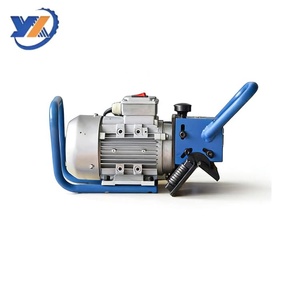
Engineered for thick-wall pressure vessel, pipeline, and structural tube edge beveling with multi-axis trajectory control.
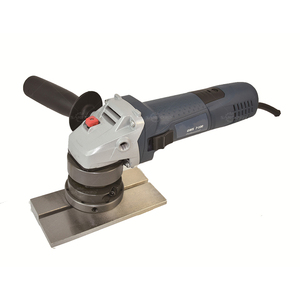
Compact high-efficiency trimming and chamfering module for weld prep on stainless steel and alloy structural plates.
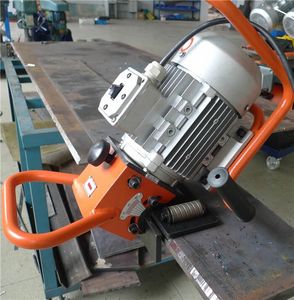
Precision angle sheet metal edge processing tool built for sanitary food-grade equipment and chemical tank manufacturing.
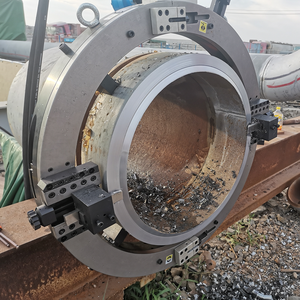
Heavy-duty pneumatic OD-mounted split frame cold cutting tool for nuclear, oil & gas, and refinery piping systems.
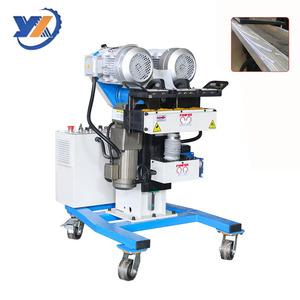
380V/575V 6.59kW gear-driven automated milling engine delivering oxide-free bevel edges for high-speed robotic welding lines.
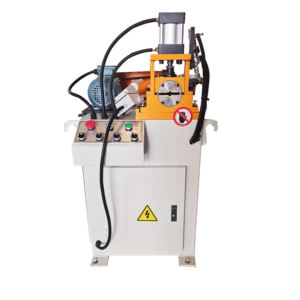
Designed for high-repeatability processing of stainless steel, carbon steel, and titanium tubular components.
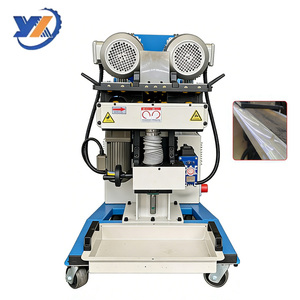
Integrated automated station engineered for heavy plate edge preparation, structural beam notched cuts, and OEM machine frame builds.
The manufacturing ecosystem across Southern Ontario—spanning the Greater Toronto Area (GTA), Mississauga, Brampton, Vaughan, Markham, and Hamilton—demands rugged reliability, high optical efficiency, and flawless control integration. As a specialized OEM laser source manufacturer and factory partner, we supply custom fiber laser engines, MOPA pulsed sub-assemblies, and high-power continuous wave (CW) laser modules specifically engineered to meet the stringent power grids, thermal environments, and automation requirements of North American machine builders.
Generic, off-the-shelf laser sources frequently suffer from thermal lensing, optical feedback instability during reflective metal processing (such as copper, brass, and raw aluminum), and interface latency when integrated into complex EtherCAT or CANopen CNC environments. Our custom engineering program eliminates these operational bottlenecks through direct optical path tailoring, customized beam parameter product (BPP) optimization, and direct factory-level firmware integration.
Selecting the optimal OEM laser engine architecture requires evaluating material thickness, surface reflective indexes, duty cycles, and edge thermal affect zones. The benchmark matrix below provides structural guidance for system integrators across Ontario.
| Laser Source Architecture | Wavelength & BPP | Primary Industrial Application | Toronto Market Sector | Key OEM Advantage |
|---|---|---|---|---|
| High-Power CW Fiber Engine (1kW – 20kW) | 1070nm ± 5nm BPP: 1.2 - 4.0 mm·mrad |
Heavy plate cutting, deep penetration structural welding, edge beveling. | Automotive Stamping (Oshawa/Brampton), Structural Steel Fabricators. | Anti-back reflection optical isolator for raw aluminum and brass profiling. |
| MOPA Pulsed Fiber Engine (20W – 500W) | 1064nm Pulse Duration: 2ns – 500ns |
Precision marking, thin foil battery tab welding, black marking on anodized aluminum. | Medical Devices (Markham), EV Electronics & Battery Tech. | Independently adjustable pulse frequency and width for non-thermal ablative processing. |
| Ultrafast Picosecond / Femtosecond Engine | 1030nm / 515nm M² < 1.1 |
Micro-machining, semiconductor wafer dicing, surgical glass cutting. | High-Tech & Photonics Labs (Waterloo/Toronto Corridor). | Zero heat-affected zone (HAZ), sub-micron edge accuracy, cold ablation. |
| Multi-Process Combined Flame/Laser Module | Dual-Beam Trajectory Hybrid Control |
Thick plate weld preparation (> 50mm carbon steel), chamfer profiling. | Heavy Equipment Manufacturing & Marine Structural Cells. | Reduces consumable costs by combining rough flame beveling with precision laser finish. |
How custom OEM laser engines and edge-preprocessing sub-systems empower key manufacturing clusters throughout the Greater Toronto Area.
Southern Ontario's automotive corridor relies on high-speed, 24/7 continuous operation. Our custom OEM fiber laser sources power robotic cell integrators fabricating hydroformed chassis frames, aluminum battery enclosures, and high-strength hot-stamped steel door pillars. With ultra-fast modulation rates, our laser engines execute clean cuts with minimal burr, reducing post-process grinding cycles.
Aerospace components require absolute optical purity and verifiable thermal integrity. OEMs building machinery for aircraft wing spar milling, jet engine combustion sleeve perforation, and titanium structural bracket cutting utilize our custom single-mode fiber lasers. Superior M² optics maintain focused power density across long focal distances, satisfying AS9100 quality standards.
Micro-welding of surgical catheters, laser hermetic sealing of implantable titanium casings, and micro-fluidic channel cutting demand sub-millisecond pulse timing. Our custom MOPA and Ultrafast OEM source packages offer programmable burst-mode control, enabling Markham’s high-tech medical fabricators to eliminate burrs and chemical etching steps.
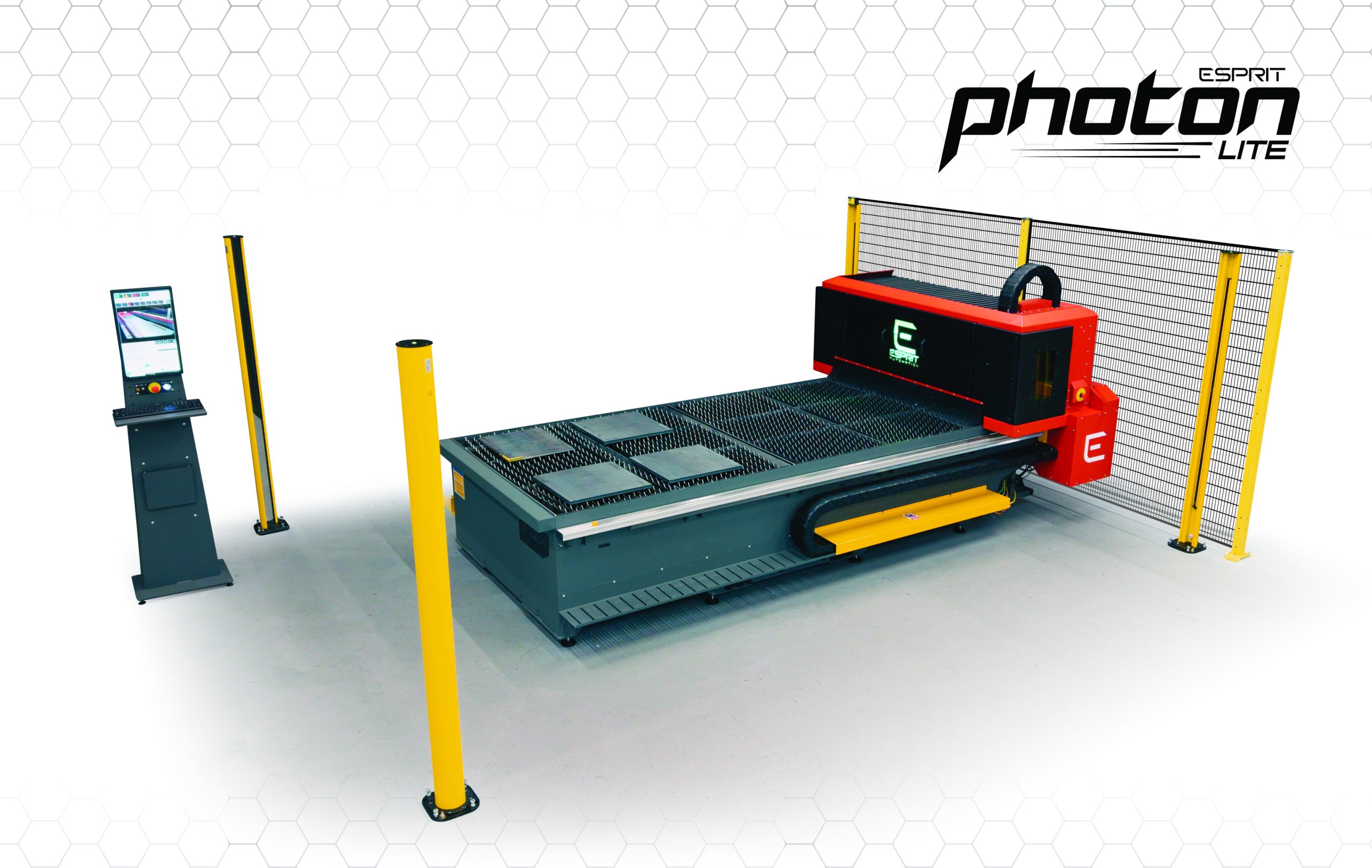
Heavy steel service centers in Vaughan and the structural steel fabrication sector in Hamilton demand heavy-duty, high-kilowatt laser engines capable of continuous 50mm carbon steel profiling and precision bevel edge preparation.
As manufacturing shifts toward automated smart factories and green technologies, the technical requirements for industrial laser systems in Ontario are undergoing a rapid transition.
Toronto sheet metal fabricators are aggressively replacing legacy CO2 laser tables with high-power (12kW to 30kW) fiber laser sources. Fiber lasers yield up to 40% electrical wall-plug efficiency compared to 10% for CO2 systems, significantly lowering monthly electricity overhead under Ontario Hydro rate structures.
Escalating international freight delays have pushed Canadian OEMs to build resilient local automated cutting cells. OEM laser sources must now features integrated IoT telemetry, OPC-UA protocols, and condition monitoring sensors to support unmanned overnight shifts.
Industrial clients in Ontario are subject to stringent energy audit regulations. Modern OEM laser engines feature fast eco-standby modes, active power-factor correction, and closed-loop water chilling interfaces to minimize carbon footprints.
Combining 35+ years of British CNC and laser automation heritage with dedicated OEM manufacturing facilities, we deliver quality you can audit.
All laser diode stacking, fused silica lens alignment, and fiber optic splice couplings are executed inside controlled cleanroom environments to prevent catastrophic optical damage.
Every laser engine undergoes rigorous thermal stress testing and continuous 100-hour full-power output verification prior to export packing, ensuring zero initial failure rates.
Our optical engineers work directly with your design team to engineer custom physical enclosures, tailor beam paths, and configure custom fieldbus communication profiles.
We maintain critical optical replacement components, QBH process cables, and protective windows in inventory for fast dispatch to Toronto-area industrial facilities.
Unlike third-party white-label aggregators, our factory owns the complete manufacturing workflow. We draw optical fibers, package laser diode modules, machine precision aluminum cooling blocks on 5-axis CNC machining centers, and write custom control algorithms in-house.
This complete operational control allows us to provide Toronto OEMs with full component traceability, documented beam quality certificates, and direct escalation paths to the design engineers who built the system.
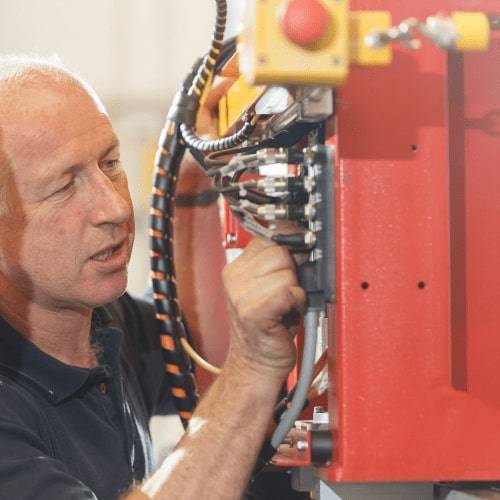
Answers to key technical, regulatory, and procurement questions commonly raised by system integrators and machine builders in Ontario.
Yes. All OEM laser sources supplied to the Toronto market are designed and wired to meet Canadian Electrical Code requirements. We assist machine builders with CSA SPE-1000 field evaluation preparation or supply pre-certified power supply modules compliant with CSA C22.2 standards. Additionally, our power conditioning modules are engineered to directly accommodate standard Canadian 575V 3-phase industrial power feeds via step-down transformers or active wide-range power supplies.
Industrial laser engines exported to Canada fall under specific HS Code classifications (e.g., HS 8456.11 for laser operated machine tools). Under CUSMA / USMCA trade agreements and established international trade rules, qualifying components enter duty-free. Air freight logistics to Toronto Pearson International Airport (YYZ) typical take 3 to 5 business days, while standard ocean freight to the Port of Montreal with rail connections to Toronto takes 14 to 20 days.
Back-reflection from molten copper, brass, or pure aluminum poses a severe risk to unprotected laser diodes. Our OEM fiber laser engines incorporate a multi-stage hardware optical isolator coupled with real-time digital back-reflection monitoring. If reflected light exceeds safety thresholds, the control system adjusts pulse timing in microseconds without abruptly terminating the cut, protecting optical components while preserving part surface finish.
Absolutely. Our control interfaces support standardized industrial protocols including EtherCAT, PROFINET, Modbus TCP, and traditional analog/digital I/O signals. We provide machine integrators with pre-tested PLC function blocks, sample C++ / Python libraries, and documented register maps to shorten controller integration cycles to a few hours.
We provide comprehensive warranty coverage (typically 24 to 36 months) covering all optical components and diode modules. For clients in the Greater Toronto Area, we offer remote diagnostic telemetry that enables our factory engineers to inspect system health, diode currents, and thermal sensor readings live over encrypted connections. Field replacement modules can be dispatched overnight from regional inventory pools.
Yes. OEM builders frequently require custom fiber optic cable lengths (ranging from 5 meters to 30 meters) with QBH, QD, or QCS terminations. We also supply custom optical beam expanders, motorized zoom cutting heads, and auto-focusing process heads calibrated specifically to your chosen fiber core diameter (e.g., 50µm, 100µm, or multi-core fibers).
Whether you are designing a high-speed sheet metal laser cutting machine, a 3D robotic pipe beveling cell, or an ultra-precise medical laser marking station, our engineering team is ready to assist with custom optical design, sample testing, and system pricing.
Dedicated Support for Integrators in Toronto · Mississauga · Brampton · Vaughan · Markham · Hamilton · Kitchener-Waterloo