Engineered for high-volume Korean smart factories, EV battery lines, semiconductor manufacturing, and naval shipbuilding centers.
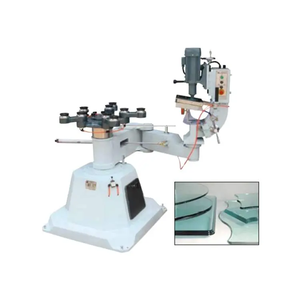
Automated precision beveling and laser surface de-oxidation for curved glass and specialized metallic substrates in consumer electronics production.
Contact Us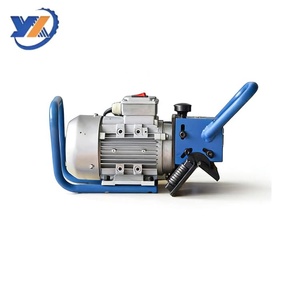
Heavy-duty motorized pipe beveling integrated with laser rust-stripping for pre-weld preparation in LNG carrier piping and industrial plant construction.
Contact Us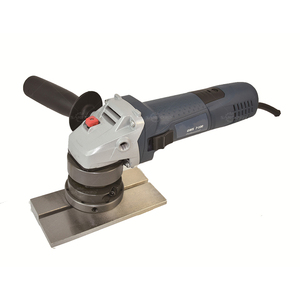
Ergonomic handheld trimming, deburring, and surface oxide removal tool designed for structural steel fabricators and heavy machinery workshops.
Contact Us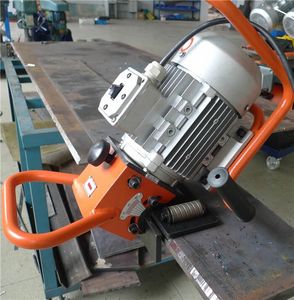
High-speed precision edge bevel processing tool for stainless sheet metal, ensuring mirror-smooth bevel edges without thermal distortion.
Contact Us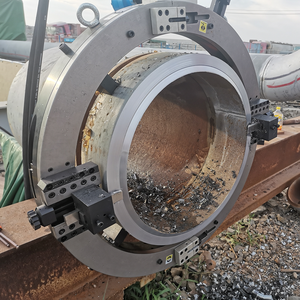
22-28 inch split-frame clamshell tool providing sparkless cold cutting, beveling, and protective layer removal for offshore oil & gas rigs.
Contact Us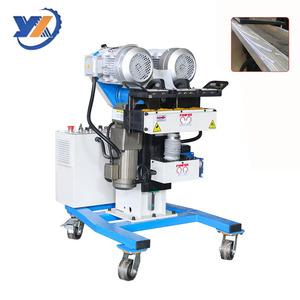
High-productivity 6.59kW 380V automated walking edge milling machine for thick structural steel plates, maximizing speed in heavy shipbuilding.
Contact Us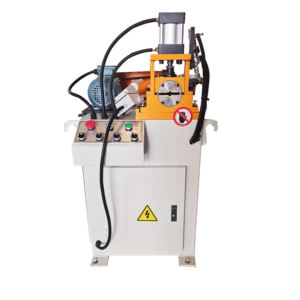
Designed for carbon steel and stainless tube end prep, delivering micro-meter accuracy for automotive exhaust and aerospace fluid pipelines.
Contact Us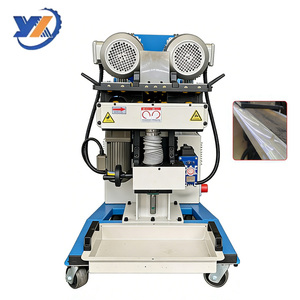
Industrial-grade automated cutting, chamfering, and rust cleaning unit tailored for machine tool manufacturers and heavy steel plate processing plants.
Contact UsOver 35 years of engineering mastery, deep OEM optic integration, and stringent compliance with Korean industrial standards (KOSHA & KC Certification).
Founded by veteran mechanical and optoelectronic engineers, carrying forward decades of precise gantry calibration, beam optics delivery, and advanced cold-cutting expertise.
Equipped with top-tier fiber laser sources (IPG/nLIGHT), European motion control drives, and German galvo scanners, eliminating performance bottlenecks and unscheduled downtime.
100% dry, eco-friendly physical cleaning process engineered to help Korean factories effortlessly comply with strict ME-REACH regulations and K-RE100 carbon reduction goals.
Dedicated technical support teams based near primary industrial clusters, guaranteeing 24-hour spare part dispatch, PLC system integration, and localized engineer training.
South Korea’s modern industrial backbone—spanning automotive manufacturing in Ulsan, semiconductor foundries in Gyeonggi-do, EV battery gigafactories in Cheonan, and commercial shipbuilding in Geoje—is undergoing a rapid technological overhaul. Traditional industrial cleaning processes such as solvent degreasing, sandblasting, chemical pickling, and ultrasonic bath washing are increasingly being phased out due to stringent environmental policies implemented by the Korean Ministry of Environment (MOE).
The introduction of updated chemical management acts (including K-REACH and the Chemical Control Act) has made the storage, handling, and disposal of toxic cleaning solvents such as trichloroethylene (TCE) and methylene chloride financially burdensome and legally risky for Korean plant operators. In response, laser cleaning factories and specialized equipment manufacturers have emerged as essential partners in South Korea’s transition toward zero-emission, automated "Smart Factories" (스마트공장).
SEO & Industry Insight: Laser cleaning utilizes high-frequency, ultra-short nanosecond or picosecond laser pulses to ablate surface contaminants without inducing thermal stress or mechanical deformation on delicate metallic, composite, or semiconductor substrates. In South Korea, adoption rates have surged by over 42% year-over-year in secondary battery and EV production lines.
To successfully integrate laser cleaning machinery within the South Korean supply chain, equipment specifications must align with the unique technical demands of local industrial hubs:
Precise removal of oxide layers from aluminum battery foil, pouch cell tab cleaning prior to ultrasonic welding, and insulated coating removal on battery housing trays.
Automated removal of hot-stamped steel scale, oil film degreasing on chassis components, and localized laser cleaning on laser weld seams to prevent porosity.
Selective shop-primer ablation, heavy rust stripping on thick steel plates, and bevel edge cleaning prior to submerged arc welding (SAW) on LNG fuel tanks.
An engineering benchmark evaluating operational costs, environmental compliance, substrate damage, and automation feasibility for Korean plant managers.
| Evaluation Vector | Fiber Laser Cleaning | Chemical Solvent Washing | Dry Ice / Sand Blasting | Mechanical Grinding |
|---|---|---|---|---|
| Operating Cost (OPEX) | Ultra-Low (Electricity only) | High (Solvents & disposal) | Medium-High (Media consumption) | Medium (Abrasive wear) |
| Substrate Impact / HAZ | Zero Damage (No thermal/mechanical stress) | Zero Damage (Chemical etch risk) | Minimal Wear | High Wear (Micro-scratches & gouging) |
| Environmental Compliance (K-REACH) | 100% Eco-Friendly (Zero VOCs) | Severe Risk (Strict hazardous waste laws) | CO2 Emissions (Secondary waste) | Particulate Hazard (Dust extraction needed) |
| Smart Factory PLC Integration | Seamless (EtherCAT / Robot ready) | Complex (Fluidic piping required) | Moderate (Nozzle wear issues) | Manual / Semi-Auto |
| Consumable Expense | None (Optic lens check only) | Continuous Liquid Refills | High Pellet Supply Cost | Frequent Disks Replacement |
In Gyeonggi-do’s semiconductor manufacturing hubs (Suji, Giheung, and Pyeongtaek), encapsulation molds frequently accumulate epoxy molding compound (EMC) residues. Conventional cleaning requires dismantling the heavy mold and immersing it in chemical baths, leading to hours of non-productive downtime. Our high-precision pulsed laser cleaning systems direct controlled laser energy (1064nm wavelength) onto hot mold surfaces, instantly gasifying EMC micro-residues without altering the mold's micron-level surface tolerances.
EV battery packs demand flawless electrical contact and structural bonding. During cell manufacturing, thin aluminum and copper current collectors develop native oxides that severely reduce laser weld quality. Automated robotic laser cleaning heads clean battery tabs at line speeds exceeding 30 meters per minute. Furthermore, laser ablation selectively removes insulating blue film coatings on battery cells to prepare surface zones for thermal adhesive application.
Major Korean shipbuilders operating out of Geoje and Ulsan require pristine steel surface preparation before executing automated submerged arc welding (SAW) on heavy hull plates and LNG tanks. Residual shop primers or mill scale cause weld porosity, hydrogen cracking, and inspection failures under DNV / ABS marine codes. Heavy-duty self-walking plate milling machines combined with high-power continuous laser cleaning systems clean steel edges down to a bright metal finish (Sa 3.0 equivalent), guaranteeing 100% X-ray non-destructive testing (NDT) compliance.
Addressing regulatory certifications, grid compatibility, laser pulse selection, and operational ROI in Korean manufacturing facilities.
Yes. All laser cleaning units and automated edge-beveling machines destined for the Korean market comply with South Korean safety standards. Power control cabinets carry KC (Korea Certification) electrical safety marks, and laser optics feature Class 4 safety interlocks, emergency stop loops, and laser safety glass compliant with KOSHA (Korea Occupational Safety and Health Agency) workplace standards.
Continuous Wave (CW) lasers (typically 1000W to 3000W) offer exceptionally high surface coverage speeds at a lower capital cost, making them ideal for heavy structural steel rust removal, ship hull paint stripping, and pipe bevel cleaning where minor thermal input is acceptable. Pulsed lasers (MOPA / Nanosecond) offer precise energy control with zero heat-affected zone (HAZ), making them essential for delicate applications such as semiconductor mold cleaning, EV battery tab oxide removal, and precision aerospace components.
Our industrial laser cleaning and automated beveling systems are customized to interface directly with South Korea’s standard industrial power grid: 380V 3-Phase 60Hz or 220V Single-Phase 60Hz. Integrated step-down transformers and power stabilization modules protect sensitive laser diodes against line voltage fluctuations common in high-load industrial zones.
Absolute compatibility. Our laser cleaning heads weigh under 2.5 kg for hand-held or robotic integration and feature standardized mounting flanges. System control modules support EtherCAT, Profinet, CC-Link, and standard digital I/O protocols, allowing seamless communication with Hyundai Robotics, Yaskawa, ABB, or Fanuc smart factory automation controllers.
Laser cleaning vaporizes coatings, oxides, and oils into airborne particulates. Every system is supplied with a dedicated multi-stage high-efficiency industrial fume extractor featuring HEPA H14 filtration and active carbon gas-phase absorption. This ensures compliance with Korean indoor air quality standards and protects operators from harmful dust particles.
For mid-to-large Korean factories transitioning away from chemical bath cleaning or manual grinding, the typical payback period is between 8 to 14 months. Savings stem directly from the elimination of hazardous solvent disposal fees, zero consumable abrasive disc costs, reduced labor requirements, and a dramatic drop in component rework rates caused by mechanical surface damage.
Yes. We maintain strategic technical service partnerships and stocking hubs capable of dispatching critical optical lenses, protective windows, galvo motors, and control boards within 24 hours across Gyeonggi-do, Gyeongsang-namdo, and Jeollanam-do industrial belts. Remote CNC diagnostics can also resolve PLC software configurations instantly.
Laser cleaning strips surface oil, mill scale, zinc coatings, and rust down to bare metal instantly before welding. By clearing contaminants from the joint interface, it eliminates the main causes of weld seam porosity, hydrogen embrittlement, and spatters, enabling high-speed laser or MIG welding without post-weld rework.
Consult with our senior laser application engineers today. We offer custom sample testing, cycle-time evaluations, and on-site integration plans tailored to your South Korean production lines.
Contact Us