Strategic OEM/ODM Welding Automation for the Philippines Market
Accelerating infrastructure, marine engineering, and heavy industrial fabrication through high-precision mechanical weld preparation and automated machinery export.
The Philippines is experiencing an unprecedented industrial expansion, driven by the government's ambitious "Build Better More" (BBM) infrastructure agenda, major maritime transport modernization initiatives in Subic Bay and Cebu, and rapid growth in energy distribution networks. As structural steel contractors, shipyard operators, and pressure vessel fabricators scale up production across Metro Manila, Calabarzon, and Northern Mindanao, traditional manual welding and flame beveling methods are becoming severe operational bottlenecks.
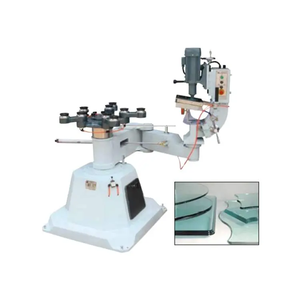
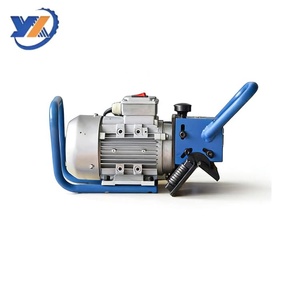
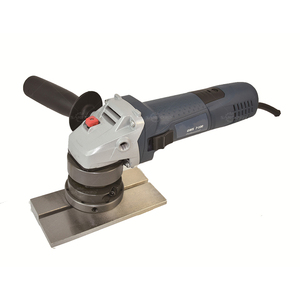
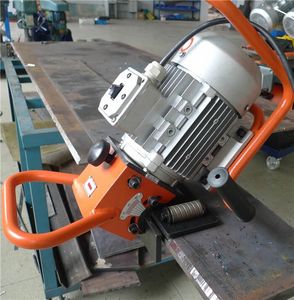
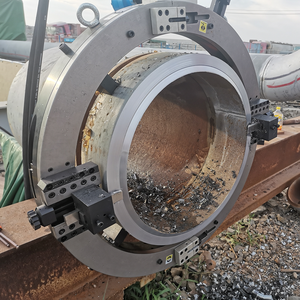
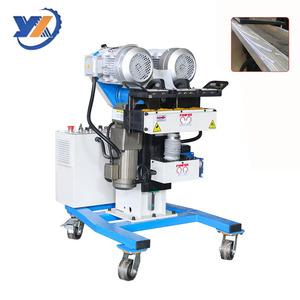
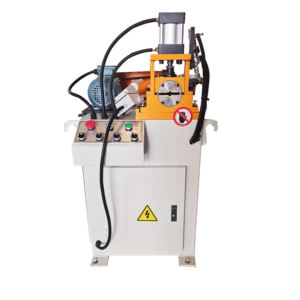
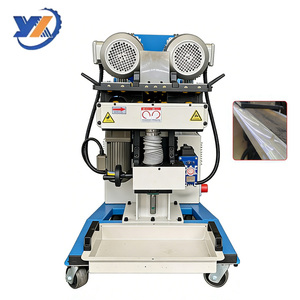
As a specialized OEM/ODM Welding Automation Factory & Direct Exporter, our engineering core delivers custom-built, automated mechanical edge preparation and tube/pipe beveling systems tailored specifically to Philippine operating environments. By transitioning from manual angle grinders and oxy-fuel flame cutting to cold mechanical beveling and automatic self-propelled milling, metal fabricators eliminate thermal stress, achieve micro-precise root faces, and dramatically increase daily output.
Information Gain: Why Mechanical Cold Beveling Outperforms Thermal Torch Cutting
Thermal cutting (oxy-fuel or basic plasma torching) leaves oxidation, hardened carbon skin, and unpredictable micro-fractures along the steel edge (the Heat-Affected Zone). In high-humidity coastal zones like Batangas, Subic, and Davao, thermal edge defects invite premature joint corrosion and lead to failed ultrasonic/X-ray weld inspections. Mechanical milling and cold clamshell cutting preserve the parent metal's original metallurgical properties, guaranteeing 100% compliance with ISO 3834 and AWS D1.1 structural welding codes.